
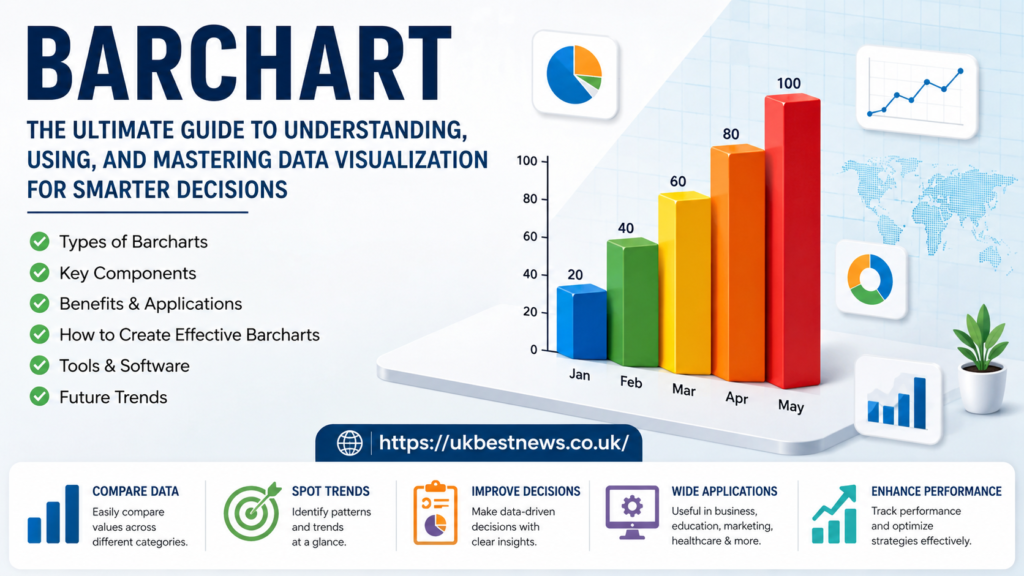

In today’s data-driven world, visual representation plays a crucial role in how information is understood and interpreted. One of the most effective and widely used visualization tools is the barchart. Whether you are analyzing business performance, comparing statistics, or presenting research findings, this simple yet powerful chart type allows users to grasp complex data quickly and efficiently.
The popularity of the stems from its clarity and versatility. From financial analysts to students, marketers to researchers, nearly every field relies on this visualization technique to communicate insights effectively. In this comprehensive guide, you will explore everything about , including their uses, benefits, variations, and how to apply them for better decision-making in real-world scenarios.
What Is a Barchart and Why It Matters
A barchart is a graphical representation of data using rectangular bars, where the length or height of each bar corresponds to the value it represents. This format allows for easy comparison between different categories or groups. It is one of the most fundamental tools in data visualization and is often used in presentations, reports, and dashboards.
The importance of a lies in its simplicity. Unlike complex graphs that may confuse viewers, this format presents data in a straightforward manner. It enables audiences to quickly identify trends, differences, and patterns without needing advanced analytical skills. This makes it a preferred choice for professionals who want to communicate insights clearly and effectively.
Types of Barcharts and Their Applications
There are several types of each designed for specific use cases. The most common types include vertical barcharts, horizontal stacked , and grouped. Each variation serves a unique purpose depending on the nature of the data and the message being conveyed.
Vertical are typically used to compare quantities across categories, while horizontal ones are useful when category names are long or when readability is a concern. Stacked and grouped versions provide deeper insights by showing relationships within data subsets. Choosing the right type ensures that the information is presented in the most effective and understandable way.
Key Components of a Barchart
Understanding the components of a barchart is essential for creating accurate and meaningful visualizations. The main elements include axes, bars, labels, titles, and legends. Each component plays a role in making the chart informative and easy to interpret.
The horizontal axis usually represents categories, while the vertical axis shows numerical values. Bars visually depict the data, and labels provide clarity for each category. A clear title explains the purpose of the chart, while a legend helps distinguish between different data groups. Proper use of these components enhances readability and ensures accurate communication.
Advantages of Using a Barchart
One of the biggest advantages of a is its ability to simplify complex data. It allows users to compare multiple data points at a glance, making it easier to identify trends and outliers. This visual clarity is especially useful in business and academic settings where quick decision-making is required.
Another key benefit is its versatility. A barchart can be used across various industries, including finance, healthcare, marketing, and education. It can represent sales data, survey results, performance metrics, and more. This adaptability makes it an essential tool for anyone working with data.
Common Mistakes to Avoid When Creating a Barchart
While barcharts are simple to use, there are common mistakes that can reduce their effectiveness. One major issue is using inconsistent scales, which can distort the data and mislead viewers. Ensuring that axes are properly labeled and scaled is crucial for maintaining accuracy.
Another common mistake is overcrowding the chart with too much information. Adding too many categories or data points can make the chart difficult to read. It is important to keep the design clean and focused, highlighting only the most relevant information for the audience.
How to Create an Effective Barchart
Creating an effective barchart involves careful planning and attention to detail. The first step is to define the purpose of the chart and identify the data to be represented. This ensures that the visualization aligns with the intended message.
Next, choose the appropriate type of based on the data structure. Use clear labels, consistent scales, and a simple design to enhance readability. Avoid unnecessary decorations and focus on presenting the data in a straightforward manner. A well-designed chart not only conveys information but also engages the audience.
Real-World Applications of Barcharts
Barcharts are widely used in real-world scenarios across different industries. In business, they are used to track sales performance, compare revenue across regions, and analyze market trends. These insights help organizations make informed decisions and improve strategies.
In education, are used to present research findings and statistical data. They help students and educators understand complex information easily. In healthcare, they are used to compare patient data, treatment outcomes, and resource allocation. This widespread usage highlights their importance in everyday decision-making.
Barcharts in Digital Marketing and Analytics
In digital marketing, barcharts play a crucial role in analyzing campaign performance. Marketers use them to compare metrics such as click-through rates, conversions, and engagement levels. This helps identify what strategies are working and where improvements are needed.
Analytics platforms often rely on to present data in dashboards. These visualizations make it easier for marketers to track progress and optimize campaigns in real time. By using effectively, businesses can enhance their marketing efforts and achieve better results.
Tools and Software for Creating Barcharts
There are many tools available for creating barcharts, ranging from basic spreadsheet applications to advanced data visualization software. Popular options include Microsoft Excel, Google Sheets, and specialized platforms like Tableau and Power BI.
These tools offer features such as customization, automation, and integration with data sources. They allow users to create professional-quality charts with minimal effort. Choosing the right tool depends on the complexity of the data and the level of customization required.
Future Trends in Data Visualization and Barcharts
As technology continues to evolve, data visualization is becoming more advanced and interactive. Barcharts are also evolving, with features such as dynamic updates, animations, and real-time data integration becoming more common.
The future of barcharts lies in their ability to adapt to new technologies and user needs. Interactive dashboards and AI-driven insights are transforming how data is presented and analyzed. Despite these advancements, the simplicity and effectiveness of sure that they will remain a fundamental tool in data visualization.
Conclusion
The barchart remains one of the most powerful and accessible tools for data visualization. Its simplicity, versatility, and effectiveness make it an essential resource for professionals across various fields. By understanding how to create and use effectively, individuals can communicate insights clearly and make better decisions.
As data continues to play a critical role in our lives, the importance of clear and accurate visualization cannot be overstated. Mastering the use of is a valuable skill that can enhance both personal and professional success. Whether you are a beginner or an experienced analyst, this tool offers endless possibilities for understanding and presenting data.
FAQs
What is a barchart used for
A barchart is used to compare different categories of data visually. It helps identify trends, differences, and patterns in a clear and simple way.
What are the main types of barcharts
The main types include vertical, horizontal, stacked, and grouped barcharts. Each type serves a different purpose depending on the data.
Why are barcharts important in data analysis
They simplify complex data and make it easier to understand. This helps in making informed decisions quickly and effectively.
What tools can I use to create a barchart
You can use tools like Excel, Google Sheets, Tableau, and Power BI. These platforms offer various features for creating and customizing charts.
How do I make my barchart more effective
Use clear labels, consistent scales, and a simple design. Avoid clutter and focus on presenting the most important information.
Can barcharts be used in marketing
Yes, they are widely used in marketing to analyze campaign performance and compare metrics such as engagement and conversions.
What is the future of barcharts
Barcharts are evolving with technology, becoming more interactive and dynamic. They will continue to be a key tool in data visualization.