
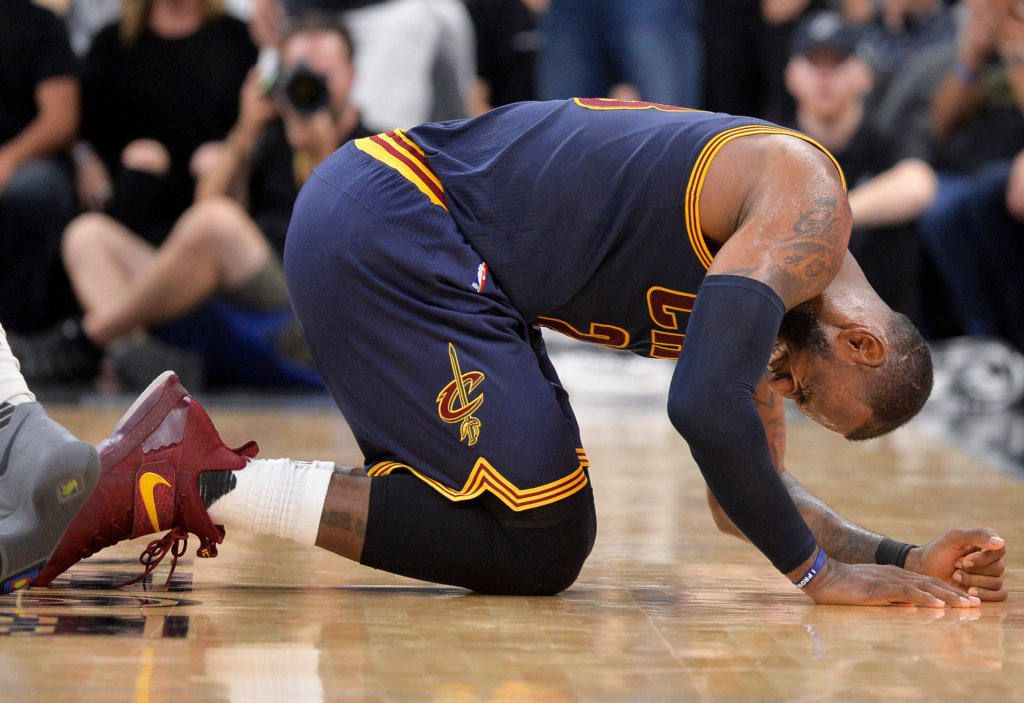

LeBron James has spent more than two decades redefining basketball greatness, but one topic continues to capture the attention of NBA fans every season: the LeBron James injury story. Whether it is a minor ankle sprain, a foot issue, or a muscle strain, every update surrounding the Los Angeles Lakers superstar instantly becomes headline news. Fans, fantasy basketball players, sports analysts, and even rival teams closely monitor his health because his availability can dramatically change the outcome of games and the Lakers’ championship aspirations.
The conversation around a LeBron James injury extends beyond simple injury reports. It raises questions about longevity, conditioning, recovery science, and how one of the greatest athletes in basketball history continues competing at an elite level despite being in his 40s. Every comeback demonstrates not only physical resilience but also years of disciplined preparation, making his recovery process almost as fascinating as his performances on the court.
In recent NBA seasons, discussions surrounding LeBron James injury updates have become increasingly important because the Western Conference has grown more competitive than ever. Every missed game can influence playoff positioning, team chemistry, and even betting markets. At the same time, sports medicine has evolved rapidly, allowing veteran athletes like James to recover faster and manage workloads more effectively than previous generations.
This complete guide explores everything fans need to know about LeBron James injuries, including his most significant setbacks throughout his NBA career, how they affected the Lakers, what modern recovery techniques help him return to action, and what his health could mean for the remainder of his legendary career.
Why the LeBron James Injury Story Dominates NBA Headlines
Whenever LeBron James appears on an NBA injury report, the news spreads almost instantly across television broadcasts, sports websites, podcasts, and social media. That level of attention is reserved for only a handful of athletes in professional sports because James has become one of basketball’s biggest global icons. His impact reaches far beyond the Lakers organization, influencing television ratings, ticket sales, merchandise purchases, fantasy basketball leagues, and even sports betting markets. As a result, every LeBron James injury update becomes a major talking point across the basketball community.
The interest is also driven by the enormous expectations placed on the Lakers. As long as James remains healthy, Los Angeles is viewed as a legitimate playoff contender capable of competing against the NBA’s elite teams. When injuries occur, analysts immediately begin debating how long he could be sidelined, whether his workload should be reduced, and how the coaching staff should adjust rotations. Fans naturally wonder whether Anthony Davis and the supporting cast can carry the team during his absence, making every injury report significantly more meaningful than that of an average NBA player.
Another reason these stories generate tremendous attention is James’ remarkable durability throughout most of his career. During his first several seasons in Cleveland and Miami, he rarely missed games because of injuries, building a reputation as one of the league’s most dependable superstars. That consistency made later injuries even more surprising, creating increased curiosity whenever physical setbacks emerged as he entered the later stages of his career.
Modern sports media has also amplified every update. Official injury reports are immediately discussed by NBA insiders, former players, sports physicians, and analytics experts who evaluate potential recovery timelines and playoff implications. This constant coverage ensures that even relatively minor injuries receive widespread attention, keeping LeBron James injury news among the most searched basketball topics in the United States.
A Complete History of LeBron James Injuries Throughout His NBA Career
For much of his legendary career, LeBron James built a reputation for exceptional durability. Unlike many superstar players who experienced repeated major injuries during their prime, James consistently appeared in more than seventy games per season while maintaining extraordinary production. His combination of elite conditioning, strength training, nutrition, and recovery routines helped him avoid lengthy absences for many years, allowing him to compete at an MVP level across multiple franchises.
One of the earliest notable setbacks came from minor ankle sprains and muscle strains, injuries that are common throughout the demanding NBA schedule. However, James frequently returned quickly because of his outstanding physical preparation. During his years with the Miami Heat, he rarely dealt with significant long-term injuries despite carrying enormous offensive and defensive responsibilities while making four consecutive NBA Finals appearances.
The injury narrative changed more noticeably after joining the Los Angeles Lakers. As James entered his mid-to-late thirties, the cumulative wear and tear of thousands of professional minutes naturally increased his injury risk. A groin injury during the 2018–19 season forced him to miss an extended stretch of games, marking one of the longest absences of his career. That injury had a significant impact on the Lakers, who struggled to maintain consistency without their franchise leader.
Subsequent seasons brought additional challenges, including ankle sprains, abdominal soreness, knee discomfort, and the foot injury that became one of the biggest concerns of his Lakers tenure. Despite these setbacks, James consistently demonstrated an extraordinary ability to recover and immediately return to elite production. Even after missing multiple games, he often resumed averaging impressive scoring, rebounding, and playmaking numbers that few players half his age could match.
His injury history reflects the reality of playing professional basketball at the highest level for more than two decades. Rather than diminishing his legacy, each recovery has highlighted his remarkable commitment to longevity and preparation, reinforcing why he continues to compete among the NBA’s best despite the physical demands of the sport.
The Most Significant LeBron James Foot Injury and Its Lasting Impact
Among all the injuries LeBron James has experienced during his Lakers career, his foot injury became one of the most closely followed by basketball fans and medical experts alike. Foot injuries are particularly concerning for NBA players because basketball requires constant sprinting, jumping, cutting, and rapid changes of direction. Even a relatively small issue can affect balance, explosiveness, and overall performance throughout an entire season.
When James suffered his foot injury, immediate questions surrounded whether surgery would eventually become necessary or whether conservative treatment could successfully manage the condition. Reports indicated that careful rehabilitation, workload management, and advanced recovery techniques became essential parts of his return-to-play strategy. The Lakers’ medical staff closely monitored his progress while balancing the team’s competitive goals with protecting the long-term health of their superstar.
The injury also changed how fans viewed workload management for aging athletes. Rather than expecting James to play every regular-season game, many analysts argued that strategic rest would maximize his effectiveness during the NBA Playoffs. This represented a significant shift in thinking compared with earlier stages of his career, when durability alone was often considered one of his defining characteristics.
Perhaps the most remarkable aspect of his recovery was how quickly he returned to producing elite performances. Even after dealing with lingering discomfort, James continued recording high-scoring games, triple-doubles, and dominant postseason performances. His ability to adapt his playing style by relying more on basketball intelligence, efficient shot selection, and exceptional passing demonstrated why he remains one of the smartest players the game has ever seen.
The foot injury also highlighted advances in sports medicine. Modern rehabilitation programs now emphasize individualized recovery plans, movement analysis, strength development, nutrition, and injury prevention strategies. James has openly invested millions of dollars into maintaining his body each year, and that commitment likely played a significant role in helping him return to competition while continuing to perform at an All-NBA level.
How Injuries Have Changed LeBron James’ Playing Style and Career Longevity
Although LeBron James remains one of basketball’s most explosive players, injuries and age have naturally influenced how he approaches the game. Early in his NBA career, his unmatched athleticism allowed him to attack the rim relentlessly, overpower defenders in transition, and defend virtually every position on the floor. As the years progressed and occasional injuries became more common, James gradually evolved into an even more complete and efficient player.
Instead of relying solely on speed and raw athleticism, he increasingly uses elite court vision, basketball IQ, and calculated decision-making to control games. His passing has become even more valuable because it allows him to create scoring opportunities without constantly absorbing physical contact in the paint. This adjustment has helped reduce unnecessary strain while preserving energy during long NBA seasons.
Another noticeable evolution has been his improved perimeter shooting and shot selection. By becoming a more consistent three-point shooter and mid-range scorer, James can remain highly productive without attacking the basket on every possession. These changes have extended his effectiveness while helping minimize some of the physical demands associated with repeated drives against larger defenders.
The Lakers have also adjusted their approach by carefully managing minutes and monitoring recovery between games. Sports science departments now use sophisticated tracking systems that analyze movement patterns, fatigue levels, and recovery indicators to help reduce injury risk. Combined with James’ legendary dedication to conditioning, these strategies have contributed to one of the longest periods of sustained excellence ever seen in professional basketball.
Perhaps the greatest testament to his adaptability is that discussions surrounding LeBron James injury updates are almost always followed by conversations about his remarkable comebacks. Rather than allowing setbacks to define the later years of his career, he has consistently demonstrated that experience, preparation, and basketball intelligence can compensate for the natural physical changes that accompany aging. This ability to evolve continues to separate him from nearly every other player in NBA history.
How the Los Angeles Lakers Perform When LeBron James Is Injured
Few players in NBA history have had a greater influence on their team’s success than LeBron James. Whenever he misses games because of injury, the Los Angeles Lakers face immediate challenges on both ends of the floor. His ability to score, facilitate, rebound, and organize the offense cannot be replaced by a single player, which often forces the coaching staff to rethink the entire game plan. Opposing teams also adjust their defensive strategies, knowing the Lakers lose one of the league’s most reliable decision-makers when James is unavailable.
The Lakers have occasionally shown resilience during his absences, especially when other stars elevate their performances. Anthony Davis often takes on a larger offensive role, while supporting players receive more opportunities to contribute. However, maintaining consistency over a long stretch without James has historically been difficult. The offense tends to become less efficient, transition opportunities decrease, and late-game execution often suffers. This demonstrates that LeBron’s value extends far beyond his individual statistics, as he consistently makes teammates better through leadership, court vision, and experience.
Injuries to James also affect the team’s playoff outlook. The Western Conference is known for its depth and competitiveness, meaning even a short absence can influence seeding and home-court advantage. Every missed game increases pressure on the remaining roster, making health management one of the Lakers’ top priorities throughout the regular season. As a result, every LeBron James injury report carries significant implications not only for the franchise but also for the broader NBA landscape.
Beyond wins and losses, James’ absence changes the emotional energy of the team. Younger players often look to him for confidence during difficult stretches, and his leadership in huddles, practices, and film sessions is difficult to duplicate. Even when he cannot play, his presence on the bench remains valuable, but there is no substitute for his impact between the lines. This leadership component is one reason why the Lakers carefully balance short-term competitiveness with protecting his long-term health.
The Science Behind LeBron James’ Remarkable Recovery Process
One of the most fascinating aspects of every LeBron James injury story is how efficiently he returns to elite performance. While genetics certainly play a role, sports scientists widely recognize that his recovery is the result of years of disciplined preparation rather than luck alone. James has consistently emphasized that maintaining his body is one of the most important investments of his career, allowing him to compete at an extraordinary level well beyond the typical athletic prime.
Modern recovery techniques involve far more than simple rest. Elite athletes now rely on individualized rehabilitation plans that include strength training, flexibility work, mobility exercises, nutrition optimization, hydration monitoring, massage therapy, and advanced recovery technologies. These methods help reduce inflammation, improve muscle function, and accelerate healing while minimizing the risk of reinjury. Every stage of rehabilitation is carefully monitored so the athlete returns only when movement quality and strength have reached acceptable levels.
Sleep has also become a major component of athletic recovery. Research consistently shows that high-quality sleep improves tissue repair, hormone regulation, and overall performance. James has frequently discussed the importance of proper recovery habits, recognizing that preparation away from the court is just as important as practice sessions and games. This holistic approach has helped him maintain remarkable consistency despite the physical demands of more than two decades in professional basketball.
Equally important is workload management. Rather than viewing rest as a weakness, NBA organizations increasingly recognize strategic recovery as a competitive advantage. Monitoring playing time, reducing unnecessary physical stress, and planning recovery days allow veteran players to remain effective during the postseason. James has embraced these evolving sports science principles, demonstrating that longevity depends not only on talent but also on intelligent preparation and disciplined self-care.
Comparing LeBron James’ Injury History With Other NBA Superstars
Every superstar experiences injuries differently, making comparisons both interesting and informative. While LeBron James has dealt with several notable injuries during the later stages of his career, his overall durability remains exceptional when compared with many NBA legends. His ability to avoid major long-term injuries during his first fifteen seasons remains one of the most impressive accomplishments in professional basketball.
Many elite players have seen their careers significantly altered by recurring knee injuries, Achilles tears, back problems, or chronic joint issues. These injuries can permanently affect athleticism, explosiveness, and overall availability. James has largely avoided those career-defining setbacks, allowing him to continue performing at an All-Star level well into his forties. Although ankle, foot, groin, and muscle injuries have become more common with age, they have generally not prevented him from returning to elite competition.
Another important difference is adaptability. Some players struggle to regain their previous form after injuries because their games rely heavily on one specific athletic skill. James, however, has continuously expanded his basketball skill set. Improved shooting, elite passing, post play, and basketball intelligence have enabled him to remain dominant even as natural athletic changes occur. This versatility has reduced the long-term impact of injuries that might have significantly affected other players.
Career longevity also separates James from most of his peers. Remaining productive through multiple eras of NBA basketball requires exceptional physical conditioning, discipline, and adaptability. His injury history illustrates that while no athlete is immune to physical setbacks, sustained excellence often depends on preparation as much as natural ability. That combination has allowed James to continue rewriting record books despite the inevitable challenges associated with aging.
What Fans Can Expect From LeBron James Going Forward
As LeBron James continues his remarkable NBA journey, injury management will likely remain an important part of every season. While fans naturally hope to see him available for every game, modern professional basketball recognizes that strategic health management often produces better long-term results than attempting to play through every physical issue. This philosophy becomes increasingly important for veteran athletes competing deep into their careers.
Fortunately for Lakers supporters, James has consistently shown that injuries rarely diminish his competitive drive. Instead, each setback has been followed by disciplined rehabilitation, careful preparation, and a determined return to elite performance. His ability to recover while continuing to average impressive scoring, rebounding, and assist numbers demonstrates why he remains one of basketball’s most complete players despite the passage of time.
Looking ahead, the Lakers will likely continue balancing regular-season success with postseason readiness. Limiting unnecessary wear during an 82-game schedule may help maximize James’ effectiveness when championships are on the line. Fans should not be surprised if occasional rest becomes a regular part of that strategy, particularly during demanding stretches of the schedule or back-to-back games.
Regardless of future injury updates, LeBron James has already established one of the greatest legacies in sports history. Every additional season extends records that once seemed unreachable, while every successful comeback reinforces his reputation for resilience and professionalism. Even as discussions about the LeBron James injury continue to dominate headlines, they are equally a testament to his extraordinary commitment to excellence and his ability to overcome challenges that would sideline many other athletes.
What LeBron James’ Injuries Mean for His NBA Legacy
Every legendary athlete eventually reaches a point where health becomes one of the biggest storylines of their career. For LeBron James, injuries have not diminished his legacy—they have added another layer to it. While fans naturally remember his championships, MVP awards, scoring records, and unforgettable playoff performances, they also recognize his incredible resilience. Returning from injuries and immediately performing at an elite level has become one of the defining characteristics of his later career.
LeBron’s longevity is especially remarkable because basketball has become faster and more physically demanding than ever before. Today’s NBA requires players to cover more ground, defend versatile lineups, and maintain a high pace throughout the season. Competing successfully in this environment for more than two decades is unprecedented. Even when injuries temporarily interrupt his season, he continues to demonstrate that preparation, discipline, and experience can offset some of the physical challenges associated with aging.
Another important aspect of his legacy is the example he sets for younger athletes. Modern NBA stars frequently discuss the importance of recovery, nutrition, and injury prevention, areas that James has prioritized throughout his career. His commitment to investing in his body has changed how many professional athletes approach long-term performance, making him influential not only as a player but also as a model for career longevity.
Perhaps the most impressive achievement is that discussions about LeBron James injury updates rarely revolve around whether he can still compete at the highest level. Instead, they focus on when he will return because expectations remain incredibly high every time he steps on the court. That continued confidence from fans, teammates, and analysts speaks volumes about the trust he has earned through years of exceptional performances.
Tips for Following Reliable LeBron James Injury Updates
The popularity of LeBron James means that rumors about his health often spread quickly across social media. While some reports are accurate, others rely on speculation or incomplete information. Fans who want trustworthy updates should focus on official NBA injury reports, announcements from the Los Angeles Lakers, and statements from reputable sports journalists with established credibility.
Understanding NBA injury terminology also helps fans interpret reports more accurately. Designations such as “day-to-day,” “questionable,” “probable,” or “out” each have specific meanings that reflect a player’s current status rather than guaranteeing a particular return date. Recovery timelines can change depending on medical evaluations, rehabilitation progress, and how the player responds during practice sessions.
It is also helpful to recognize that teams often prioritize long-term health over short-term availability, especially when dealing with veteran players. Missing one or two additional regular-season games may reduce the risk of aggravating an injury before the playoffs. While fans naturally want to see James on the floor every night, cautious recovery strategies frequently lead to better outcomes over the course of a full season.
Finally, avoid drawing conclusions from isolated clips Lebron James injury or unofficial social media posts. Videos of practice sessions or warm-ups rarely provide the complete picture regarding an athlete’s medical condition. Following verified sources ensures fans receive accurate information instead of reacting to rumors that may later prove incorrect.
Conclusion
The story of the LeBron James injury is about far more than missed games or medical reports. It reflects the extraordinary demands of sustaining excellence in one of the world’s most competitive sports for over twenty years. While injuries have become a more frequent part of the conversation as James has progressed through his career, they have never defined him. Instead, they have highlighted his resilience, professionalism, and relentless commitment to remaining one of the NBA’s elite players.
Every recovery reinforces why LeBron continues to command worldwide attention. His disciplined approach to conditioning, willingness to embrace modern sports science, and unmatched basketball intelligence have enabled him to extend his career far beyond what many believed possible. Even after injuries, he consistently returns capable of leading the Lakers, producing elite statistics, and competing against players nearly half his age.
For basketball fans, following LeBron James injury updates is ultimately about understanding the journey of one of the greatest athletes in sports history. Whether he is chasing another championship, setting new records, or mentoring the next generation, his influence on the game remains undeniable. As long as he continues competing, every health update will remain one of the NBA’s biggest stories, reminding fans that greatness is measured not only by talent but also by perseverance.
FAQs
What is the most serious LeBron James injury?
One of the most significant injuries of LeBron James’ career was the groin injury during the 2018–19 NBA season, which caused him to miss an extended period. More recently, his foot injury received widespread attention because of concerns about its impact on his long-term performance and recovery.
How many games has LeBron James missed because of injuries?
The exact number changes every season. Early in his career, James missed very few games due to injury, but as he entered his late thirties and forties, ankle, foot, groin, and muscle injuries led to more absences than during his younger years.
Does LeBron James still play at an elite level after injuries?
Yes. Even after returning from injuries, LeBron James has continued to average impressive scoring, rebounding, and assist numbers. His basketball IQ, versatility, and experience allow him to remain one of the NBA’s top performers.
How does LeBron James recover from injuries?
His recovery program includes strength training, rehabilitation exercises, mobility work, nutrition, proper sleep, hydration, and advanced sports science techniques. He is widely recognized for maintaining one of the most disciplined recovery routines in professional sports.
Why do LeBron James injury updates receive so much attention?
LeBron is one of the most influential athletes in the world. His availability affects the Los Angeles Lakers’ championship hopes, NBA television ratings, fantasy basketball leagues, and overall fan interest, making every injury update major sports news.
Will injuries affect LeBron James’ legacy?
Most basketball analysts believe injuries have strengthened rather than weakened his legacy. His ability to recover, adapt his playing style, and continue competing at an elite level deep into his career demonstrates exceptional resilience and professionalism.
Can LeBron James still help the Lakers compete for an NBA championship?
When healthy, LeBron James remains one of the league’s most impactful players. His leadership, scoring, playmaking, and playoff experience continue to make the Lakers a legitimate contender whenever he is available.