
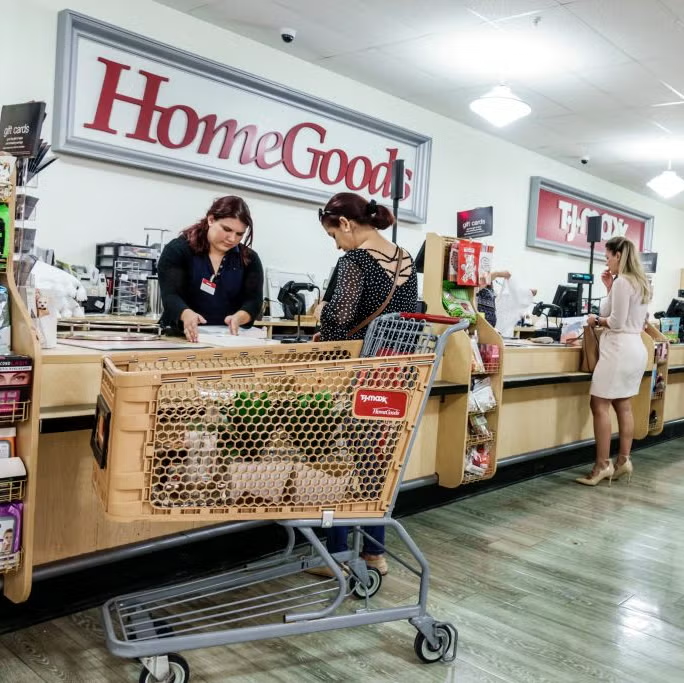

Introduction to Home Goods
A comfortable and functional home depends on more than just furniture and decoration. From kitchen cookware and bedroom bedding to bathroom accessories, storage products, cleaning supplies, and everyday household essentials, people use a wide range of products to make their homes practical and comfortable. These products are commonly described as home goods.
Home goods include many different types of household items designed for everyday use, organization, comfort, convenience, and decoration. Some products are essential for daily living, while others improve the appearance or functionality of a particular room.
Whether you are moving into a new house, updating an existing room, organizing a small apartment, or simply replacing old household items, understanding home goods can help you make better purchasing decisions.
This guide explains what home goods are, the main categories of household products, how to choose quality items, where to shop, how to save money, and which products can make your home more organized and comfortable.
What Are Home Goods≀
Home goods are products and household items used inside or around a home for practical, decorative, organizational, or comfort-related purposes.
They can include furniture, kitchen products, bedding, bathroom accessories, cleaning supplies, storage containers, home decor, lighting, household appliances, home goods and many other everyday items.
For example, a frying pan is a kitchen home good, while a towel is a bathroom essential. A storage box can help organize a bedroom, home goods and a rug can provide both comfort and decoration in a living room.
Home goods are generally selected based on several factors, including:
- Quality
- Durability
- Price
- Design
- Functionality
- Size
- Material
- Comfort
- Maintenance requirements
The right products can make everyday tasks easier while helping create a home that reflects your personal .
Home Goods vs. Home Decor
Home goods and home decor are related, but they are not exactly the same thing.
Home goods generally have a practical or functional purpose. Examples include cookware, storage containers, towels, bedding, cleaning tools, and household supplies.
Home decor focuses home goods more on appearance and atmosphere. Examples include decorative artwork, vases, ornaments, decorative cushions, wall decorations, and other items used primarily to enhance the visual appearance of a room.
However, many products can serve both purposes. A stylish storage basket, for example, can organize household items while also improving the appearance of a room.
Types of Home Goods
Home goods cover a large range of products. Understanding the main categories makes it easier to identify what you need.
Kitchen Home Goods
The kitchen is one of the most important areas of a home, so kitchen essentials represent a major category of home goods.
Common kitchen products include:
- Cookware
- Frying pans
- Pots and pans
- Baking dishes
- Kitchen utensils
- Knives
- Cutting boards
- Plates
- Bowls
- Cups
- Glasses
- Food storage containers
- Kitchen organizers
- Dish racks
When selecting kitchen home goods, consider the material, durability, ease of cleaning, size, and frequency of use.
For example, cookware made home goods from durable materials may be more suitable for frequent cooking, while stackable storage containers can help save cabinet space.
Choosing Home Goods for Everyday Convenience
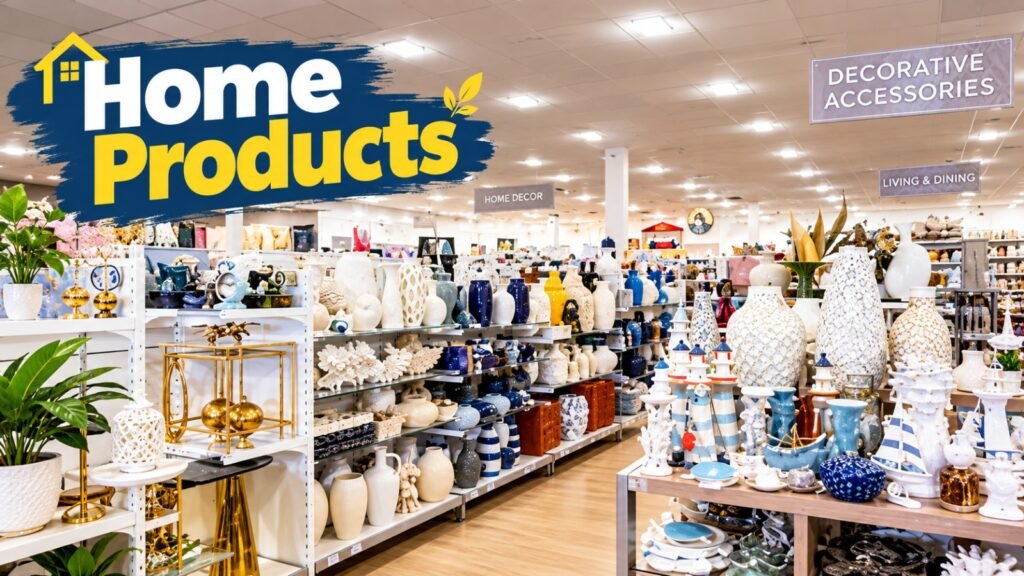
The right home goods can make everyday household tasks easier and more convenient. Products such as kitchen organizers, storage containers, laundry baskets, cleaning tools, and multi-purpose furniture can help create a more functional living space. When choosing household items, think about how often you will use them and whether they solve a specific problem. Practical home products that are durable and easy to maintain can provide better long-term value than items purchased only for their appearance Home products such as kitchen organizers, storage containers, cleaning tools, and decorative accessories can make everyday household tasks easier.
Home Goods for a Comfortable Living Environment
Comfort is another important factor when selecting home goods. Soft bedding, comfortable cushions, rugs, curtains, lighting, and suitable furniture can make a room feel more welcoming. Bedroom essentials can support a relaxing environment, while living room furnishings can create a comfortable space for family members and guests. Choosing products that match your lifestyle, room size, home goods and personal preferences can help create a home that feels both practical and comfortable.
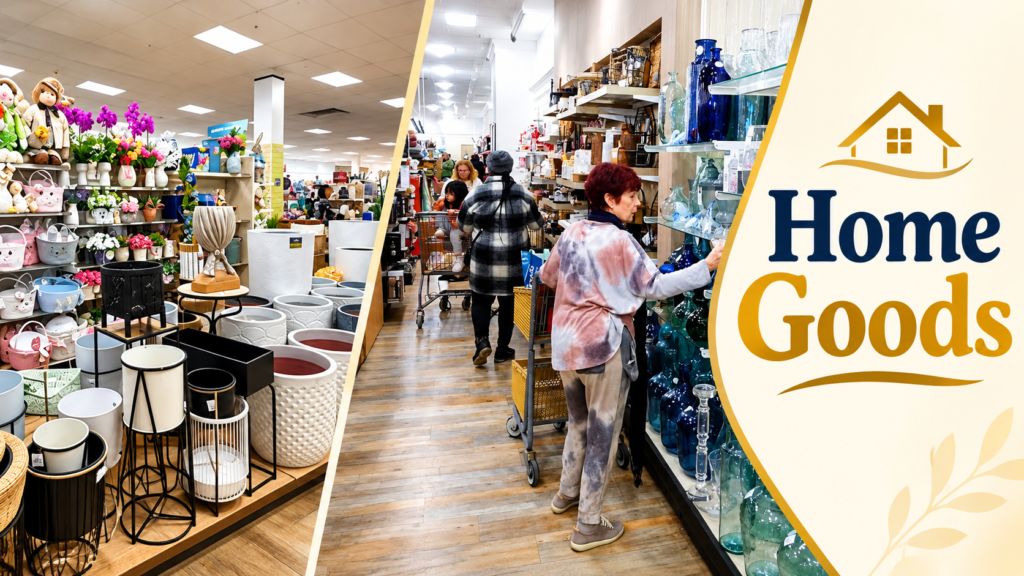
Smart Shopping for Household Products
Smart shopping involves comparing products before making a purchase. Instead of focusing only on the price, consider product quality, materials, dimensions, customer reviews, durability, and maintenance requirements. When shopping for home goods online, carefully read the product description and check return and delivery policies. Making a simple shopping list can also help you avoid unnecessary purchases home goods and keep your household budget under control.
Creating an Organized and Functional Home
A well-organized home can make daily routines easier and reduce unnecessary clutter. Storage boxes, shelves, baskets, drawer organizers, closet solutions, and other home organization products can help keep belongings in their proper places. Combining useful storage solutions with attractive home accessories allows you to improve both functionality and appearance. By selecting home goods carefully and organizing them according to your needs, you can create a cleaner, more comfortable, and more efficient living environment.
Bedroom Home Goods
Bedroom products contribute to comfort, organization, and relaxation.
Common bedroom essentials include:
- Beds
- Mattresses
- Pillows
- Blankets
- Comforters
- Bed sheets
- Duvet covers
- Bedside tables
- Storage boxes
- Hangers
- Closet organizers
- Curtains
Bedding should be selected according to comfort, home goods size, material, and climate. Storage products can also help keep clothing and personal belongings organized.
Bathroom Home Goods
Bathrooms require practical products that support hygiene, comfort, and organization.
Popular bathroom essentials include:
- Towels
- Bath mats
- Shower curtains
- Soap dispensers
- Toothbrush holders
- Storage baskets
- Bathroom organizers
- Laundry hampers
- Shower accessories
- Cleaning products
Because bathrooms are exposed to moisture, home goods it is important to choose materials that are easy to clean and suitable for humid environments.
Living Room Home Goods
The living room often serves as a space for relaxation, entertainment, and socializing.
Common living room home goods include:
- Sofas
- Chairs
- Coffee tables
- Side tables
- Rugs
- Curtains
- Cushions
- Blankets
- Lamps
- Shelving
- Storage furniture
- Decorative accessories
The best living room products combine comfort, functionality, and visual appeal.
Home Organization Products
Organization products can make a significant difference, home goods especially in smaller homes.
Useful home organization products include:
- Storage boxes
- Baskets
- Drawer organizers
- Closet organizers
- Shelving units
- Shoe organizers
- Under-bed storage
- Cabinet organizers
- Desk organizers
- Multi-purpose containers
Good organization can help reduce clutter and make frequently used items easier to find.
Cleaning and Household Supplies
Cleaning products are another important part of household essentials.
These can include:
- Brooms
- Mops
- Buckets
- Cleaning brushes
- Dusters
- Microfiber cloths
- Vacuum cleaners
- Laundry baskets
- Trash bins
- Cleaning solutions
When purchasing cleaning supplies, consider the surfaces they are designed for and follow product instructions carefully.
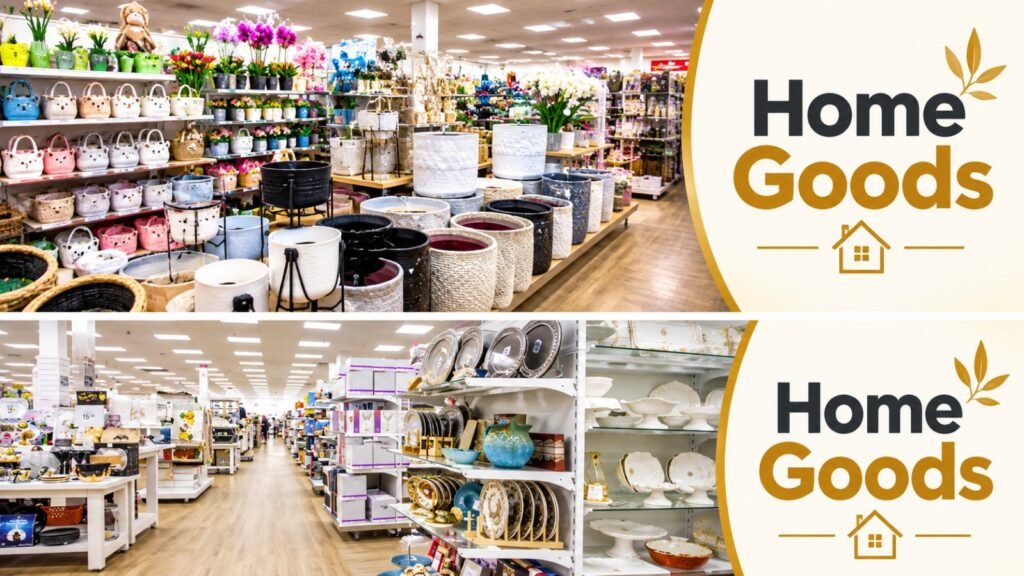
Home Goods for Small Spaces
Small homes and apartments often require products that use space efficiently.
Instead of buying large items that take up unnecessary room, consider:
- Foldable furniture
- Stackable containers
- Wall-mounted shelves
- Under-bed storage
- Multi-purpose furniture
- Compact kitchen organizers
- Hanging organizers
- Collapsible laundry baskets
For example, a storage ottoman can provide seating while also offering hidden storage.
Vertical organization is another useful strategy. Wall shelves and hanging organizers can provide additional storage without taking up much floor space.
How to Choose the Right Home Goods
Buying home products should not be based on appearance alone. A product may look attractive but may not be suitable for your needs.
Consider Quality and Durability
Quality is important when purchasing products that you expect to use frequently.
Check the materials, construction, stitching, finishes, and overall design. Durable products may cost more initially but can provide longer-term value.
Check Measurements
Always check dimensions before buying furniture, storage products, rugs, curtains, or appliances.
Measure the available space and compare it with the product dimensions. This is particularly important for small rooms.
Compare Materials
Materials affect durability, comfort, appearance, and maintenance.
For example, different types of fabric can have different levels of softness and durability, while different cookware materials can offer different cooking characteristics.
Consider Your Budget
Create a realistic budget before shopping.
Instead of purchasing everything at once, prioritize essential household items first. Decorative or non-essential products can be added later.
Read Customer Reviews
Customer reviews can provide useful information about real-world experiences.
Look for comments about:
- Product quality
- Durability
- Size accuracy
- Material
- Ease of use
- Packaging
- Cleaning
- Value for money
However, reviews should be considered alongside product specifications rather than being the only factor in your decision.
Think About Functionality
Ask yourself whether the product solves a real problem.
A functional product that improves storage, comfort, cleaning, or everyday convenience may provide more value than an item purchased only because it looks attractive.
Affordable Home Goods for Every Budget
You do not need an unlimited budget to improve your home.
One useful approach is to prioritize products that provide multiple benefits.
For example, a storage bench can provide seating and storage. A decorative basket can store household items while improving the appearance of a room.
Other ways to save money include:
- Comparing prices
- Looking for seasonal discounts
- Buying only what you need
- Choosing durable products
- Purchasing sets when they offer genuine savings
- Checking customer reviews
- Avoiding unnecessary impulse purchases
Affordable home goods can still provide good value when they are selected carefully.
How to Shop for Home Goods Online
Online shopping makes it possible to compare many home products without visiting multiple stores.
Before purchasing a product online, check:
- Product dimensions
- Material information
- Product description
- Customer reviews
- Return policy
- Shipping information
- Warranty details, if applicable
- Total price
Product photos can sometimes make an item appear larger or smaller than it really is, so always check the written measurements.
It is also useful to compare similar products from multiple sellers before making a purchase.
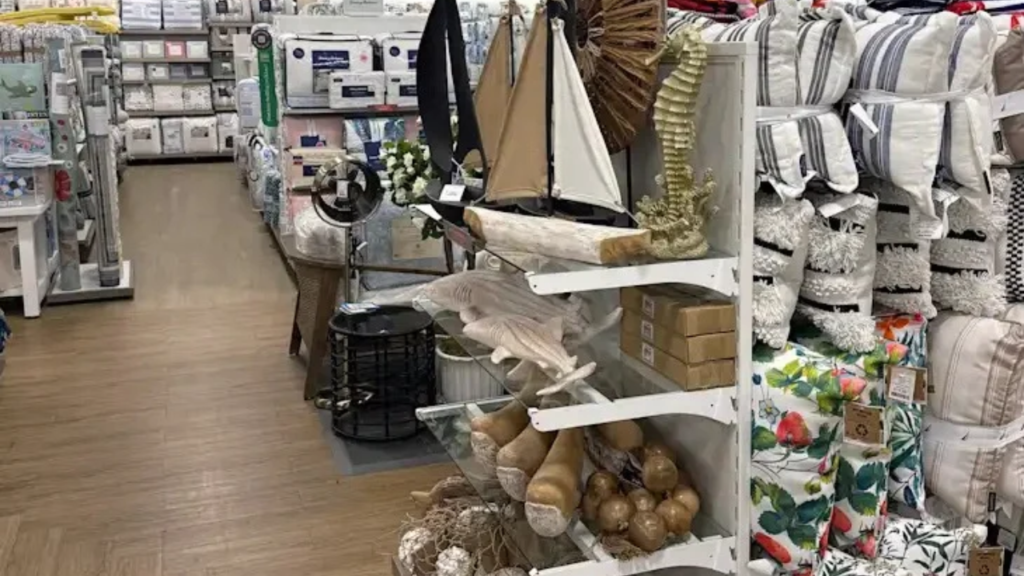
Home Goods for a New Home
Moving into a new home can require many household essentials.
A basic checklist may include:
Kitchen
- Plates
- Cups
- Cooking utensils
- Pots and pans
- Food storage containers
- Dish towels
Bedroom
- Bedding
- Pillows
- Blankets
- Hangers
- Storage solutions
Bathroom
- Towels
- Bath mat
- Shower accessories
- Storage products
Cleaning
- Broom
- Mop
- Cleaning cloths
- Trash bags
- Cleaning supplies
Living Room
- Seating
- Curtains
- Lighting
- Rugs
- Storage furniture
Starting with essential products allows you to establish a functional home before spending money on additional decoration.
Benefits of Buying Quality Home Goods
Quality home products can provide several benefits.
Better Durability
Durable products may withstand regular use better than poorly constructed alternatives.
Improved Comfort
Good bedding, furniture, towels, and other household products can make everyday life more comfortable.
Better Organization
Storage and organization products can reduce clutter and make it easier to find belongings.
Improved Appearance
Well-designed furnishings and accessories can create a more attractive living environment.
Potential Long-Term Value
A product that lasts for years may offer better value than repeatedly replacing cheaper alternatives.
Popular Home Goods for a Modern Home
Modern homes often combine functionality with simple and attractive design.
Popular categories include:
- Minimalist furniture
- Neutral bedding
- Modern lighting
- Multi-purpose storage
- Decorative baskets
- Simple rugs
- Functional kitchen organizers
- Space-saving furniture
- Smart household appliances
- Sustainable home products
Modern design does not necessarily mean buying expensive products. The goal is often to create a clean, practical, and comfortable environment.
Sustainable and Eco-Friendly Home Goods
Sustainability has become an important consideration for many shoppers.
Eco-friendly home products may include items made from renewable, recycled, reusable, or responsibly sourced materials.
Examples include:
- Reusable food containers
- Reusable cleaning cloths
- Bamboo household products
- Recycled-material storage products
- Energy-efficient appliances
- Durable products designed for long-term use
When shopping for sustainable products, look beyond marketing claims. Check the material information, certifications when available, packaging, and expected product lifespan.
Choosing durable products can also reduce the need for frequent replacement.
Home Goods Trends
Home goods trends change over time, but several themes continue to influence household shopping.
Multi-Functional Products
People increasingly look for products that serve more than one purpose, particularly when living space is limited.
Organization
Storage and organization remain important because organized spaces can make everyday activities easier.
Comfort
Comfort-focused products such as soft bedding, cushions, rugs, and ergonomic furniture continue to be popular household choices.
Sustainable Products
Consumers are increasingly interested in reusable and durable household products.
Simple Designs
Simple designs can work well across different interior styles and may remain useful even when decorating preferences change.
How to Organize Your Home With Home Goods
Organization starts by understanding what you own and how often you use it.
Begin by separating frequently used items from things you rarely use.
Then select storage products according to your available space.
For example:
- Use drawer organizers for small items.
- Use baskets for frequently used household products.
- Use shelves for books and decorative items.
- Use containers for seasonal belongings.
- Use closet organizers for clothing.
- Use under-bed storage for items that are not needed every day.
Labeling storage containers can also make it easier to locate belongings.
Tips for Maintaining Home Goods
Proper maintenance can extend the life of many household products.
Read manufacturer instructions when available and use products according to their intended purpose.
Some basic maintenance habits include:
- Clean products regularly.
- Avoid using unsuitable cleaning chemicals.
- Store items properly.
- Follow washing instructions for textiles.
- Repair minor damage when possible.
- Avoid excessive weight on storage furniture.
- Keep moisture-sensitive products dry.
- Inspect frequently used items for damage.
Good maintenance can help protect your investment and keep your home goods looking and functioning properly.
Common Mistakes to Avoid When Buying Home Goods
Buying Without Measuring
One of the most common mistakes is purchasing furniture or storage products without checking dimensions.
Focusing Only on Price
The cheapest product is not always the best value. Consider quality, durability, and functionality.
Ignoring Material Information
Material affects how a product looks, feels, performs, and should be maintained.
Buying Too Many Items
A home does not need to be filled with products. Purchase items that serve a useful purpose or genuinely improve your space.
Ignoring Return Policies
When shopping online, always understand the seller’s return and exchange policies before ordering.
Choosing Style Over Function
A beautiful product may not be useful if it does not fit your space or lifestyle.
How to Create a Home Goods Shopping List
A shopping list can prevent unnecessary purchases.
Divide your list into categories such as:
Essential:
Products you need immediately for everyday living.
Useful:
Products that improve organization or convenience.
Decorative:
Products that mainly improve appearance.
Future:
Products you may purchase later when your budget allows.
This approach can make shopping more organized and budget-friendly.
Home Goods and Interior Design
Home goods play an important role in interior design.
Furniture establishes the basic layout, while textiles, lighting, rugs, curtains, and accessories help create the atmosphere of a room.
When selecting products, consider how colors, textures, materials, and sizes work together.
You do not necessarily need matching products. A balanced combination of complementary styles can create a more interesting interior.
How to Get Better Value From Home Goods
Getting value does not simply mean paying the lowest price.
A good-value product should provide a useful combination of quality, functionality, durability, and reasonable cost.
Before buying, ask:
- Will I use this regularly?
- Does it solve a problem?
- Is the material suitable?
- Does it fit my space?
- Is it easy to maintain?
- Does the price match its quality?
- Will I still find it useful in the future?
These questions can help reduce unnecessary purchases.
AEO: Quick Answers About Home Goods
What are home goods?
Home goods are household products used for everyday living, organization, comfort, cleaning, cooking, storage, furnishing, and decoration.
What are examples of home goods?
Examples include furniture, cookware, bedding, towels, storage containers, cleaning supplies, kitchen accessories, bathroom products, rugs, curtains, and household appliances.
What home goods are essential for a new home?
Essential products generally include basic kitchen items, bedding, towels, cleaning supplies, storage products, and necessary furniture.
How do I choose quality home goods?
Compare materials, construction, dimensions, durability, customer reviews, functionality, price, and maintenance requirements before purchasing.
Are home goods and home decor the same?
No. Home goods include functional household products, while home decor primarily focuses on improving the appearance and atmosphere of a space. Some products can serve both purposes.
GEO: Home Goods Shopping Considerations
When people search for home goods, their needs can vary depending on where they live.
Local climate, housing size, available storage, lifestyle, and shopping options can influence which household products are most useful.
For example, people living in smaller apartments may prioritize compact furniture and vertical storage. In areas with humid conditions, moisture-resistant bathroom and storage products may be particularly useful.
Local shoppers can also compare nearby stores with online retailers to understand differences in price, product availability, delivery options, and return policies.
For location-specific purchases, checking local product availability and seller policies is important because inventory and prices can vary by region.
Frequently Asked Questions About Home Goods
What does home goods mean?
Home goods refers to products used in a home for practical, organizational, decorative, furnishing, cleaning, cooking, storage, or comfort purposes.
What are the most common home goods?
Common home goods include furniture, kitchen products, bedding, bathroom accessories, storage products, cleaning supplies, lighting, rugs, curtains, and household appliances.
What should I buy first for a new home?
Start with essential products such as bedding, basic kitchen supplies, towels, cleaning products, storage solutions, and necessary furniture.
How can I save money on home goods?
Compare prices, prioritize essential purchases, look for legitimate discounts, choose durable products, and avoid buying items you do not need.
Are expensive home goods better?
Not necessarily. Price alone does not determine quality. Compare materials, construction, durability, functionality, reviews, and warranty information when available.
What home goods are useful for small apartments?
Compact furniture, stackable containers, wall shelves, under-bed storage, drawer organizers, and multi-purpose products can be useful in small spaces.
How often should home goods be replaced?
There is no single replacement schedule for every product. Replacement depends on the product type, condition, frequency of use, quality, and manufacturer recommendations.
What are sustainable home goods?
Sustainable home goods are products designed or made with considerations such as reusable materials, recycled content, renewable resources, durability, reduced waste, or lower environmental impact.
Can home goods improve home organization?
Yes. Storage containers, shelving, drawer organizers, baskets, closet systems, and other organization products can help reduce clutter and make belongings easier to manage.
Should I buy home goods online?
Online shopping can provide convenient access to a wide range of products and makes price comparison easier. Before purchasing, check dimensions, product details, reviews, shipping, and return policies.
Final Thoughts
Home goods are an essential part of everyday life. From kitchen cookware and bedroom bedding to bathroom accessories, cleaning supplies, furniture, storage products, and decorative items, these products help make a home functional, organized, comfortable, and attractive.
The best approach is not simply to buy more products. Instead, focus on choosing household items that match your needs, available space, lifestyle, and budget.
Before purchasing any product, consider its quality, material, size, functionality, durability, maintenance requirements, and overall value. For online shopping, carefully review product specifications, customer feedback, shipping information, and return policies.
Whether you are furnishing a new home, organizing a small apartment, replacing old household items, or updating your interior style, thoughtful selection of home goods can make everyday living easier and more enjoyable.
A well-planned home does not depend on expensive products. It depends on choosing the right products for the right purpose and using them effectively.