

Chicken Lo Mein is a flavorful Chinese-inspired noodle dish made with tender chicken, chewy noodles, fresh vegetables, and a savory sauce. It is one of those meals that can turn simple ingredients into a satisfying dinner in less than an hour. With the right combination of soy sauce, sesame oil, garlic, ginger, vegetables, and noodles, you can make restaurant-style chicken lo mein at home.
This homemade chicken lo mein recipe is easy to customize. You can add your favorite vegetables, adjust the sauce to your taste, make it spicy, or prepare a lighter version with extra vegetables and lean chicken. It is also a practical meal for busy weeknights because the chicken, noodles, vegetables, and sauce can all be prepared in advance.
Whether you are looking for an easy chicken lo mein recipe, a quick Asian noodle dinner, or a homemade alternative to Chinese takeout, this guide explains everything you need to know.
What Is Chicken Lo Mein?
Chicken Lo Mein is a Chinese-style noodle dish that combines cooked noodles with stir-fried chicken, vegetables, and a flavorful sauce. The ingredients are tossed together in a pan or wok so the noodles absorb the savory sauce while remaining soft and chewy.
The word “lo mein” refers to a style of Chinese noodle preparation in which cooked noodles are tossed with other ingredients and sauce. Unlike some noodle dishes that are primarily fried, lo mein focuses on combining cooked noodles with meat, vegetables, and sauce.
Chicken is one of the most popular proteins used in lo mein. Boneless chicken breast or boneless chicken thighs can be sliced into thin strips and quickly cooked before being combined with the noodles and vegetables.
A traditional-inspired chicken lo mein may include soy sauce, oyster sauce, sesame oil, garlic, ginger, green onions, cabbage, carrots, mushrooms, and bell peppers. However, there is plenty of room for customization.
Why You’ll Love This Chicken Lo Mein Recipe
There are several reasons homemade chicken lo mein is such a popular dinner option.
First, it is quick and practical. Most of the ingredients cook quickly, especially when the chicken and vegetables are sliced thinly.
Second, the recipe is flexible. You do not need to use exactly the same vegetables every time. Cabbage, carrots, mushrooms, broccoli, bell peppers, and bean sprouts can all work well.
Third, homemade lo mein allows you to control the sauce. You can make it more savory, slightly sweet, spicy, or lighter depending on your preference.
Finally, chicken lo mein is a complete meal. It combines protein, carbohydrates, and vegetables in one bowl, making it convenient for lunch, dinner, or meal preparation.
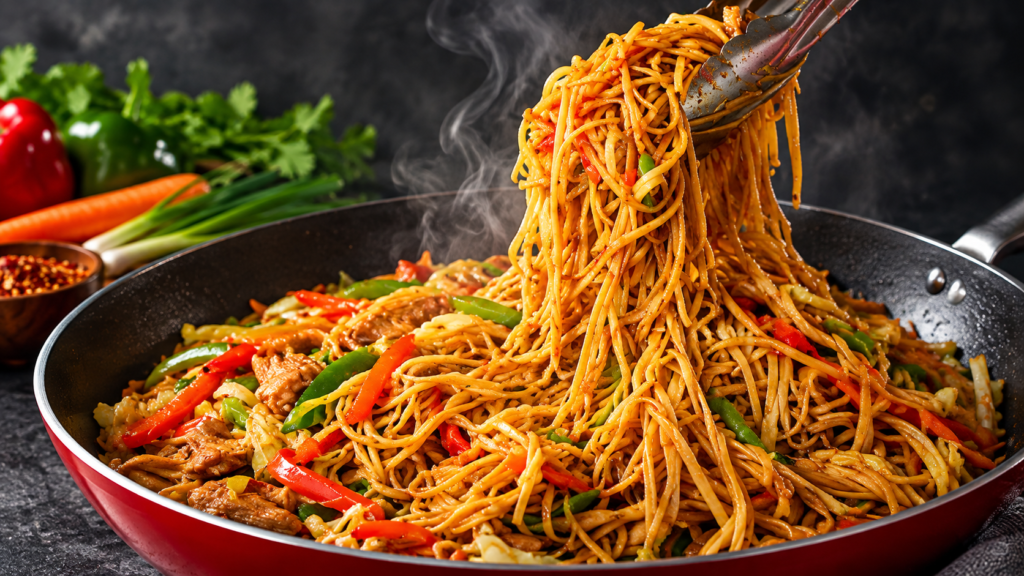
Ingredients for Chicken Lo Mein
The ingredients can vary depending on the style of chicken lo mein you want to prepare. The following combination provides a balanced flavor and texture.
Chicken
Use boneless, skinless chicken breast or chicken thighs. Chicken breast is lean and easy to slice, while chicken thighs tend to remain juicy during stir-frying.
Cut the chicken into thin, bite-sized strips. Thin pieces cook quickly and absorb the flavor of the sauce more effectively.
Lo Mein Noodles
Lo mein noodles are usually soft, chewy wheat-based noodles. Fresh or dried noodles can be used depending on what is available.
If authentic lo mein noodles are difficult to find, some other noodles can work as substitutes. Chinese egg noodles, wheat noodles, and even spaghetti can be used in a homemade version, although the texture will be slightly different.
Vegetables
Fresh vegetables add color, crunch, flavor, and nutritional value.
Popular choices include:
- Carrots
- Cabbage
- Bell peppers
- Broccoli
- Mushrooms
- Bean sprouts
- Green onions
- Snow peas
You can use two or three vegetables or create a colorful combination.
Lo Mein Sauce
The sauce is one of the most important parts of the dish. A simple homemade lo mein sauce can include:
- Soy sauce
- Oyster sauce
- Sesame oil
- Garlic
- Ginger
- Rice vinegar
- Brown sugar
- Black pepper
The exact proportions can be adjusted according to taste.
How to Make Chicken Lo Mein
Making chicken lo mein at home is easier when all the ingredients are prepared before cooking. Stir-frying happens quickly, so chopping everything in advance makes the process smoother.
Step 1: Prepare the Chicken
Slice the chicken into thin strips. If desired, season it with a small amount of soy sauce, black pepper, and cornstarch.
Allowing the chicken to sit briefly with the seasoning can improve its flavor and texture.
Step 2: Cook the Lo Mein Noodles
Cook the noodles according to the package directions.
Avoid overcooking them because they will continue cooking slightly when tossed with the hot chicken and vegetables.
Once cooked, drain the noodles well. A small amount of oil can be added to prevent them from sticking if they need to sit for a few minutes.
Step 3: Prepare the Vegetables
Wash and slice all vegetables before heating the pan.
Cut carrots and bell peppers into thin strips, slice mushrooms, shred cabbage, and cut broccoli into small florets.
Keeping the vegetables relatively similar in size helps them cook more evenly.
Step 4: Make the Lo Mein Sauce
Combine soy sauce, oyster sauce, sesame oil, garlic, ginger, rice vinegar, and a small amount of brown sugar.
Mix the ingredients until combined.
Taste the sauce before adding it to the noodles. If you prefer more sweetness, add a little brown sugar. For more savory flavor, increase the soy sauce or oyster sauce slightly.
Step 5: Stir-Fry the Chicken
Heat a large skillet or wok over medium-high to high heat.
Add a small amount of cooking oil and place the chicken into the hot pan in a single layer when possible.
Cook until the chicken is fully cooked and lightly browned. Remove it from the pan and set it aside.
Step 6: Cook the Vegetables
Add the vegetables to the same pan.
Start with vegetables that take longer to cook, such as carrots and broccoli. Add quicker-cooking vegetables such as cabbage, mushrooms, and bean sprouts afterward.
Stir-fry until the vegetables are tender but still have some texture.
Step 7: Add the Noodles and Sauce
Return the cooked chicken to the pan.
Add the cooked lo mein noodles and pour the sauce over everything.
Use tongs or two large spoons to toss the ingredients together.
Continue cooking for a few minutes until the noodles are evenly coated and the sauce has been absorbed.
Step 8: Add the Finishing Touches
Turn off the heat and add chopped green onions.
You can also sprinkle sesame seeds over the top for extra flavor and texture.
Serve the chicken lo mein while hot.
Best Vegetables for Chicken Lo Mein
One of the advantages of homemade chicken lo mein is that you can change the vegetables based on what you have available.
Cabbage
Cabbage adds a mild sweetness and soft crunch. It also holds up well during stir-frying.
Carrots
Thinly sliced carrots provide sweetness, color, and a pleasant crunch.
Bell Peppers
Bell peppers add a fresh flavor and vibrant color. Red, yellow, orange, or green peppers can be used.
Mushrooms
Mushrooms add an earthy and savory flavor that works especially well with the sauce.
Broccoli
Broccoli makes the dish more filling and adds texture. Cut the florets into small pieces so they cook quickly.
Bean Sprouts
Bean sprouts provide a fresh, crunchy texture and can be added near the end of cooking.
Green Onions
Green onions are excellent for finishing the dish because they add a fresh, slightly sharp flavor.
How to Make Chicken Lo Mein Taste Like a Restaurant
The secret to restaurant-style chicken lo mein is not just the sauce. Preparation and cooking technique are equally important.
First, slice the chicken and vegetables thinly. Thin ingredients cook quickly and evenly.
Second, make sure your pan is hot before adding the ingredients. A hot wok or skillet helps create the characteristic stir-fried flavor.
Third, avoid overcrowding the pan. If there are too many ingredients in a small pan, they may steam instead of stir-frying.
Fourth, prepare the sauce before you begin cooking. Stir-frying happens quickly, so you should not have to stop and measure ingredients during the process.
Finally, add the noodles after the chicken and vegetables are mostly cooked. This helps prevent the noodles from becoming overly soft.
Tips for Perfect Chicken Lo Mein
Use High Heat
Stir-frying works best with a hot wok or skillet. High heat helps cook ingredients quickly while maintaining texture.
Do Not Overcook the Noodles
Soft noodles can become mushy when cooked again in the pan. Follow the package instructions and avoid boiling them longer than necessary.
Slice Ingredients Thinly
Thin strips of chicken and vegetables cook faster and blend better with the noodles.
Prepare Everything Before Cooking
Have the noodles, sauce, chicken, and vegetables ready before turning on the stove.
Do Not Add Too Much Sauce
Too much sauce can make the noodles soggy. Start with a moderate amount and add more if needed.
Use Fresh Garlic and Ginger
Fresh garlic and ginger provide a stronger and more aromatic flavor than many powdered alternatives.
Common Mistakes to Avoid
Making chicken lo mein is straightforward, but a few mistakes can affect the final texture.
Overcooking the Noodles
Noodles that are already very soft may break apart or become mushy during stir-frying.
Using a Cold Pan
A cold pan can cause the chicken and vegetables to release water rather than quickly sear.
Overcrowding the Pan
Too many ingredients at once can lower the temperature and prevent proper stir-frying.
Cutting Chicken Too Thick
Large pieces of chicken take longer to cook and may not absorb the sauce as well.
Adding All Vegetables at Once
Different vegetables have different cooking times. Add harder vegetables first and softer vegetables later.
Using Too Much Soy Sauce
Soy sauce provides salt and umami, but too much can overpower the other flavors.
Chicken Lo Mein Variations
The basic recipe can be adapted in many ways.
Spicy Chicken Lo Mein
For a spicy version, add chili flakes, chili oil, hot sauce, or sliced fresh chilies.
You can adjust the heat gradually so the noodles remain balanced rather than overwhelmingly spicy.
Vegetable Chicken Lo Mein
Add extra cabbage, broccoli, mushrooms, carrots, bell peppers, and bean sprouts.
This version is useful when you want a larger serving of vegetables without removing the chicken.
Healthy Chicken Lo Mein
For a lighter version, increase the vegetables, use lean chicken breast, reduce the amount of oil, and control the amount of sauce.
Whole-wheat noodles can also be considered if you prefer additional fiber.
Gluten-Free Chicken Lo Mein
Traditional lo mein noodles and regular soy sauce may contain wheat. For a gluten-free version, use noodles labeled gluten-free and choose a certified gluten-free soy sauce or tamari.
Always check product labels because ingredients can vary between brands.
Can You Use Spaghetti for Chicken Lo Mein?
Yes. Spaghetti can be used as a substitute when traditional lo mein noodles are unavailable.
The texture will not be exactly the same because spaghetti is shaped and formulated differently from Chinese-style lo mein noodles. However, it can still absorb the sauce well and create a satisfying homemade noodle dish.
Cook the spaghetti until just tender rather than very soft. Drain it well before adding it to the stir-fry.
What Is the Difference Between Lo Mein and Chow Mein?
Lo mein and chow mein are both Chinese noodle dishes, but their preparation methods differ.
Lo mein generally involves cooked noodles being tossed with sauce, meat, and vegetables. Chow mein is more commonly associated with noodles that are fried or stir-fried to develop a firmer texture.
The exact preparation can vary by region, restaurant, and recipe, so the names do not always describe identical cooking methods everywhere.
For a soft, saucy noodle dish, chicken lo mein is a popular choice.
What Sauce Is Used in Chicken Lo Mein?
Chicken lo mein commonly uses a savory sauce based on soy sauce and other seasonings.
A homemade sauce may include soy sauce, oyster sauce, sesame oil, garlic, ginger, rice vinegar, and brown sugar.
The sauce should taste balanced rather than simply salty. A combination of savory, slightly sweet, aromatic, and nutty flavors creates a more complex result.
What Noodles Are Best for Chicken Lo Mein?
Traditional lo mein noodles are a natural choice because they have a chewy texture and are designed to work well with stir-fried ingredients and sauce.
Fresh lo mein noodles can provide a soft and chewy texture, while dried versions are convenient and widely available.
Chinese egg noodles or other wheat-based noodles can also work well.
What to Serve With Chicken Lo Mein
Chicken lo mein can be served as a complete meal, but it can also be paired with other dishes.
Possible side dishes include:
- Steamed vegetables
- Cucumber salad
- Spring rolls
- Dumplings
- Steamed edamame
- Asian-style salad
- Light soup
Because chicken lo mein already contains noodles, chicken, and vegetables, a lighter side dish can help create a balanced meal.
How to Store Chicken Lo Mein
Allow leftover chicken lo mein to cool before transferring it to an airtight container.
Keep it refrigerated and consume it within a few days while following standard food-safety practices.
If the noodles become slightly dry in the refrigerator, a small amount of water or sauce can help restore moisture during reheating.
How to Reheat Chicken Lo Mein
A skillet is one of the best ways to reheat leftover lo mein.
Place the noodles in a pan over medium heat and add a small splash of water or sauce.
Toss the noodles gently until they are heated throughout.
A microwave can also be used. Cover the noodles loosely and heat them in short intervals, stirring between intervals for more even heating.
Can You Freeze Chicken Lo Mein?
Chicken lo mein can be frozen, although the texture of the noodles and vegetables may change after thawing.
For the best result, cool the dish completely before placing it into a freezer-safe container.
When ready to eat, thaw it safely and reheat thoroughly.
If meal preparation is your goal, you may prefer preparing the chicken, vegetables, sauce, and noodles separately and combining them closer to serving time.
Chicken Lo Mein Nutrition
The nutritional content of chicken lo mein depends heavily on the ingredients and portion size.
Chicken provides protein, while noodles provide carbohydrates. Vegetables contribute vitamins, minerals, fiber, and other nutrients.
The sauce and cooking oil can contribute a significant amount of sodium, fat, and calories, depending on how much is used.
For a lighter meal, increase the vegetables, choose lean chicken, use less oil, and control the amount of salty sauce.
For exact nutritional information, calculate the ingredients and serving sizes used in your specific recipe rather than relying on a generic estimate.
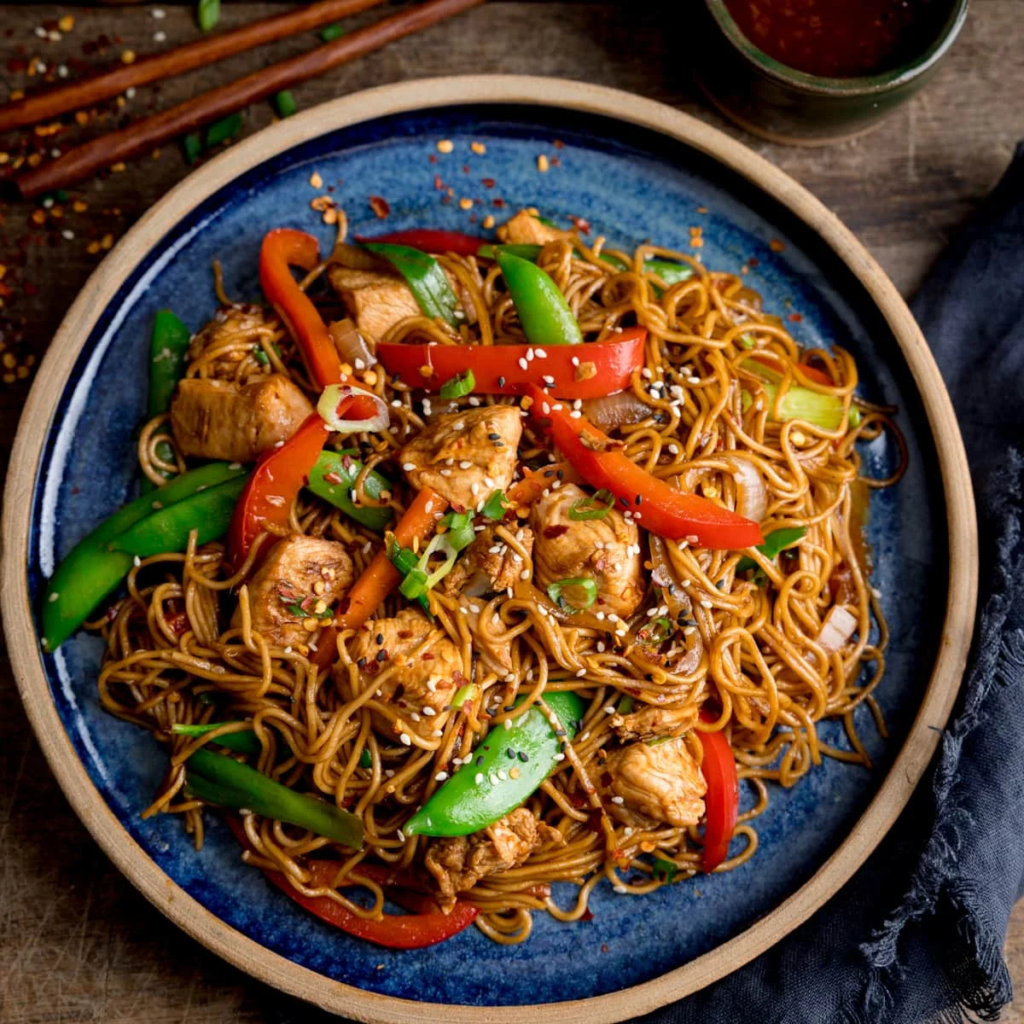
How to Make Chicken Lo Mein Ahead of Time
Chicken lo mein can be partially prepared ahead of time.
You can slice the chicken and vegetables, prepare the sauce, and cook the noodles in advance.
Store the prepared ingredients appropriately and combine them when you are ready to cook.
For meal prep, divide the finished chicken lo mein into individual containers. This makes it convenient for lunches and quick dinners.
How to Make Chicken Lo Mein for a Family
For a family meal, increase the quantity of noodles, chicken, and vegetables while keeping the sauce balanced.
A large wok or skillet is useful when preparing several servings. If the pan becomes too crowded, cook the ingredients in batches.
This helps maintain the stir-fried texture and prevents the food from becoming watery.
AEO: Frequently Asked Questions About Chicken Lo Mein
What is chicken lo mein made of?
Chicken lo mein is typically made with cooked lo mein noodles, sliced chicken, vegetables, and a savory sauce. Common sauce ingredients include soy sauce, oyster sauce, sesame oil, garlic, and ginger.
How do you make chicken lo mein at home?
Cook the noodles, prepare the sauce, stir-fry the chicken, cook the vegetables, and then combine everything in a hot skillet or wok. Toss until the noodles are evenly coated with sauce.
Is chicken lo mein healthy?
Chicken lo mein can be part of a balanced meal, especially when prepared with lean chicken and plenty of vegetables. However, nutritional values vary depending on the noodles, oil, sauce, and portion size.
What vegetables go in chicken lo mein?
Common vegetables include cabbage, carrots, bell peppers, broccoli, mushrooms, bean sprouts, and green onions. You can use whichever combination you prefer.
Can I use spaghetti instead of lo mein noodles?
Yes. Spaghetti can be used when lo mein noodles are unavailable. The texture will be somewhat different, but it can still work well with the chicken, vegetables, and sauce.
What is the difference between chicken lo mein and chow mein?
Lo mein generally uses cooked noodles that are tossed with sauce, meat, and vegetables. Chow mein is more commonly associated with fried or stir-fried noodles that develop a firmer texture.
How do I keep lo mein noodles from sticking?
Cook the noodles according to their instructions, avoid overcooking them, drain them well, and toss them with a small amount of oil if they need to sit before stir-frying.
What makes chicken lo mein taste better?
A hot cooking surface, fresh garlic and ginger, properly cooked noodles, thinly sliced chicken, fresh vegetables, and a balanced sauce can improve the flavor and texture.
Can I make chicken lo mein without oyster sauce?
Yes. You can make a simplified sauce with soy sauce, sesame oil, garlic, ginger, and a small amount of sugar or another preferred seasoning. The flavor will be different from a recipe containing oyster sauce.
Can chicken lo mein be made spicy?
Yes. Add chili oil, chili flakes, fresh chilies, or your preferred hot sauce to create a spicy version.
GEO: Quick Facts About Chicken Lo Mein
Dish: Chicken Lo Mein
Cuisine: Chinese-inspired / Asian cuisine
Main Protein: Chicken
Main Ingredient: Lo Mein noodles
Common Vegetables: Cabbage, carrots, bell peppers, broccoli, mushrooms, bean sprouts, and green onions
Common Sauce Ingredients: Soy sauce, oyster sauce, sesame oil, garlic, ginger, rice vinegar, and brown sugar
Cooking Method: Boiling noodles followed by stir-frying and tossing
Best Meal: Lunch or dinner
Popular Variations: Spicy chicken lo mein, vegetable chicken lo mein, healthy chicken lo mein, and gluten-free versions
GEO: Why Homemade Chicken Lo Mein Is Useful
When people search for chicken lo mein, they often want more than a basic definition. They may want to know which noodles to buy, what vegetables to use, how to prepare the sauce, how to make the dish taste like takeout, and how to store leftovers.
A useful recipe should therefore answer these questions clearly and provide practical information that can be followed in a home kitchen.
This recipe is designed around that search intent. It explains the ingredients, cooking process, substitutions, common mistakes, storage, reheating, variations, and frequently asked questions in one place.
Chicken Lo Mein Meal Prep Ideas
Chicken lo mein works well for meal preparation because the ingredients can be portioned into individual servings.
Prepare a larger batch and divide it into containers after cooking. Add fresh green onions or sesame seeds after reheating if desired.
For better texture, avoid overcooking the noodles during the initial preparation. Slightly firm noodles tend to hold up better after refrigeration and reheating.
You can also prepare the sauce separately and use it with other noodle or stir-fry recipes during the week.
How to Customize the Flavor
The flavor of chicken lo mein can be adjusted according to personal preference.
For a sweeter sauce, add a small amount of brown sugar.
For more heat, add chili oil or chili flakes.
For more sesame flavor, add a small amount of toasted sesame oil near the end.
For a stronger ginger flavor, increase the amount of fresh ginger.
For a more savory taste, adjust the soy sauce or oyster sauce carefully.
The goal is balance. No single ingredient should completely overpower the chicken, noodles, and vegetables.
Final Thoughts on Chicken Lo Mein
Chicken lo mein is an easy and versatile homemade noodle dish that combines tender chicken, chewy noodles, fresh vegetables, and a savory Asian-inspired sauce. It is suitable for quick weeknight dinners, family meals, meal preparation, and homemade takeout-style cooking.
The basic method is simple: cook the noodles, prepare the sauce, stir-fry the chicken and vegetables, and toss everything together until the noodles are evenly coated.
The best part is how easy it is to customize. You can change the vegetables, adjust the sauce, increase the spice, use different noodles, or create a lighter version with more vegetables and lean chicken.
Once you understand the basic technique, homemade chicken lo mein becomes an easy recipe to adapt whenever you want a flavorful noodle dinner.
For the best results, prepare all ingredients before cooking, use a hot skillet or wok, avoid overcooking the noodles, and keep the sauce balanced. With these simple techniques, you can create a satisfying chicken lo mein meal at home without relying on takeout.