

Introduction
Epazote para que sirve is one of the most frequently searched questions among people interested in traditional herbs, natural remedies, and authentic Latin American cooking. This powerful aromatic plant, widely used in Mexican cuisine and herbal medicine, has been valued for centuries for both its culinary flavor and its medicinal properties. In recent years, it has gained attention in the United States as more people explore natural digestion aids and traditional food ingredients.
Understanding epazote para que sirve goes beyond just cooking. This herb has a deep cultural history and is known for its strong aroma, unique taste, and potential digestive benefits. Many households use it in beans, soups, and stews, while others rely on it in herbal teas or natural remedies. In this complete guide, you will discover everything about epazote, including its uses, benefits, side effects, and practical applications in modern life.
What is epazote para que sirve and Why It Matters in Traditional Medicine
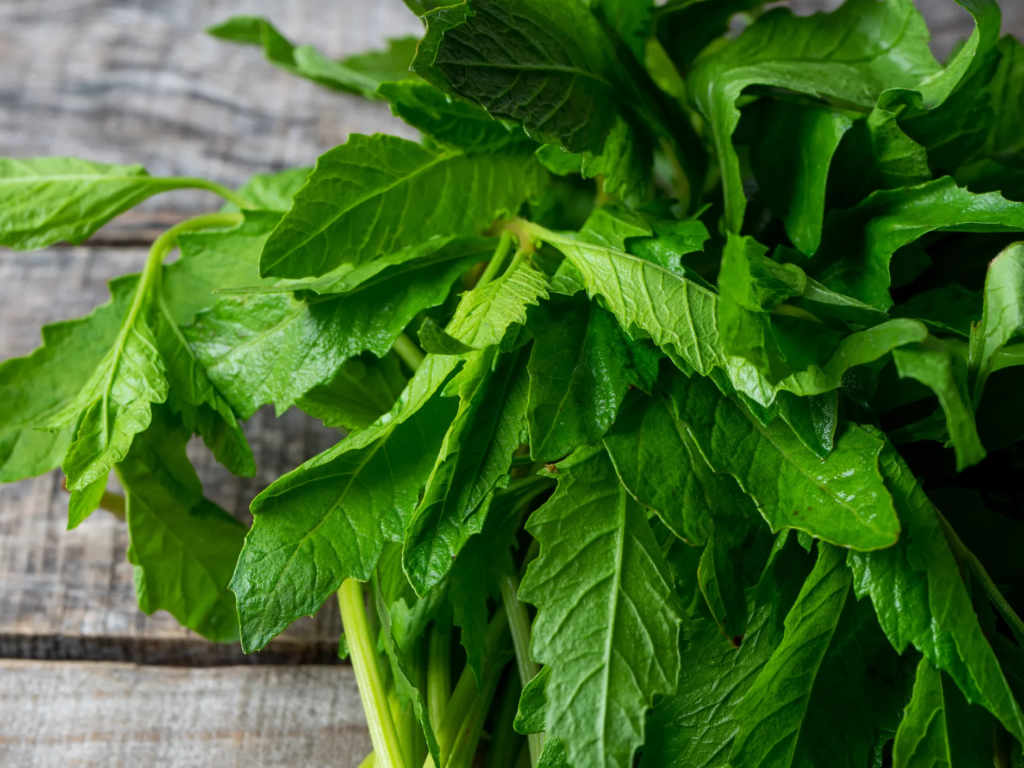
Epazote is a green leafy herb scientifically known as Dysphania ambrosioides, native to Central and South America. It has been used for centuries in traditional medicine systems, especially in Mexico and Guatemala. The herb is easily recognized by its strong, pungent aroma that is often described as earthy, medicinal, and slightly citrus-like. Despite its intense smell, it plays a vital role in both culinary and healing traditions.
In traditional herbal practices, epazote para que sirve is mainly associated with digestive health and intestinal cleansing. Indigenous communities believed it helped reduce stomach discomfort, gas, and bloating after heavy meals. Over time, it became a staple ingredient in bean dishes because it was thought to reduce gas formation caused by legumes. Today, this belief still continues in many households, especially in Mexican-American kitchens.
Beyond digestion, epazote was also historically used as a natural antiparasitic remedy. Traditional healers prepared teas and extracts from the plant to help cleanse the body of intestinal worms. While modern medicine does not fully endorse all historical uses, scientific studies have explored some of its bioactive compounds, showing that it contains essential oils and chemical components that may have biological effects.
Epazote Para Que Sirve in Cooking and Everyday Meals
One of the most common answers to epazote para que sirve is its role in cooking, particularly in Mexican cuisine. The herb is widely used to flavor dishes such as black beans, soups, quesadillas, and tamales. Its strong aroma adds depth and a distinctive earthy flavor that cannot easily be replaced by other herbs. For many traditional recipes, epazote is considered essential rather than optional.
When added to beans, epazote is believed to improve digestibility and reduce gas formation. While this effect is partly traditional belief, many people still report feeling more comfortable after eating beans cooked with the herb. This is one reason why it remains popular in both home cooking and restaurant kitchens across Mexico and the southwestern United States.
In modern culinary trends, chefs are rediscovering epazote and incorporating it into fusion cuisine. It is being used in sauces, broths, and even gourmet dishes to add a unique herbal note. However, because of its strong flavor, it must be used in moderation. Too much epazote can overpower a dish and create a bitter aftertaste, so experienced cooks usually add small amounts during the cooking process.
Digestive Benefits of Epazote Para Que Sirve
When people search epazote para que sirve, digestive health is usually one of the top reasons. Traditionally, epazote has been used to relieve stomach discomfort, bloating, and excessive gas. It is often prepared as a tea or infused in hot water and consumed after meals. Many herbalists believe that its natural compounds help relax the digestive system and support smoother digestion.
The herb contains volatile oils, including ascaridole, which is responsible for its strong scent and potential medicinal properties. These compounds are thought to interact with the digestive tract and may help reduce intestinal spasms. While scientific research is still ongoing, traditional use strongly supports its effectiveness for mild digestive issues.
In everyday use, epazote tea is a popular remedy in many households. It is typically prepared by boiling fresh or dried leaves in water for a few minutes. The resulting infusion is consumed in small quantities. However, it is important to note that excessive consumption is not recommended, as the herb is potent and should be used with caution.
Epazote as a Natural Remedy in Folk Medicine
Epazote para que sirve in folk medicine extends beyond digestion. In traditional healing systems, the plant has been used for a variety of purposes, including respiratory support, menstrual regulation, and parasitic cleansing. Indigenous healers valued epazote for its versatility and strong biological activity, making it a common ingredient in herbal preparations.
One of its most well-known traditional uses is as a natural deworming agent. In rural communities, epazote tea was historically used to help eliminate intestinal parasites. While modern medicine now provides safer and more effective treatments, this historical use highlights the plant’s importance in traditional healthcare systems.
Additionally, epazote has been used in poultices and topical applications for minor skin issues. Some traditional practices involved crushing the leaves and applying them externally to soothe irritation or inflammation. Although these uses are less common today, they reflect the deep cultural significance of the herb in natural medicine systems.
Nutritional Profile and Active Compounds of Epazote
Understanding epazote para que sirve also requires exploring its chemical and nutritional composition. Epazote contains a variety of essential oils, flavonoids, and plant compounds that contribute to its strong aroma and potential health effects. The most notable compound is ascaridole, which is responsible for many of its traditional medicinal uses.
In addition to ascaridole, epazote contains other bioactive substances such as limonene, p-cymene, and various terpenes. These compounds are commonly found in aromatic herbs and are associated with antimicrobial and digestive properties. However, the concentration of these compounds can vary depending on the plant’s growing conditions and preparation method.
Nutritionally, epazote is not consumed in large quantities, so it is not a major source of vitamins or minerals. Instead, its value lies in its functional and medicinal properties. It is used more as a seasoning or herbal supplement rather than a dietary staple, making its role more therapeutic than nutritional.
Side Effects and Safety Considerations of Epazote
While epazote para que sirve includes many traditional benefits, it is important to understand its potential risks. Epazote is a potent herb, and excessive consumption can lead to adverse effects. The compound ascaridole, while biologically active, can be toxic in large doses.
Common side effects of overconsumption may include nausea, dizziness, headaches, and gastrointestinal irritation. For this reason, herbal experts recommend using epazote in small, controlled amounts, especially in cooking. It should never be consumed in high concentrations or used as a long-term medicinal supplement without professional guidance.
Pregnant and breastfeeding individuals are generally advised to avoid epazote due to its strong biological activity. Additionally, children should not consume concentrated forms of the herb. When used properly in culinary settings, however, it is considered safe for most adults and continues to be a valued ingredient in traditional recipes.
How to Use Epazote in Modern Cooking and Home Remedies
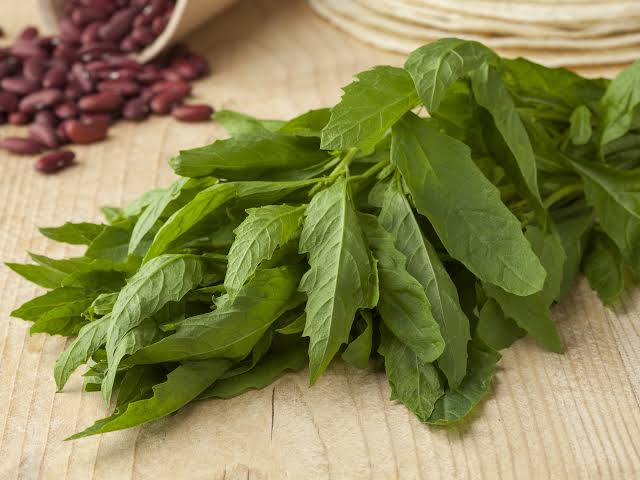
Modern usage of epazote para que sirve combines traditional knowledge with contemporary cooking practices. In the kitchen, fresh epazote leaves are typically added toward the end of cooking to preserve their flavor. Dried epazote can also be used, but it is usually less aromatic than fresh leaves.
For beans and legumes, adding a few leaves during simmering can enhance flavor and may help improve digestibility according to traditional belief. It is also used in soups, especially in Mexican dishes like black bean soup or pozole variations. The herb pairs well with corn-based dishes, tomatoes, and chili-based recipes.
In home remedies, epazote tea remains a common preparation. A small amount of leaves is steeped in hot water for several minutes, then strained and consumed in moderation. Some people also combine it with other herbs like mint or chamomile to balance its strong flavor. However, moderation is always key when using it medicinally.
Epazote para que sirve in Modern Health and Wellness Trends
In recent years, epazote para que sirve has gained renewed interest in natural health and wellness communities, especially in the United States. As more people explore plant-based remedies and traditional herbal medicine, epazote is being rediscovered as a functional herb with cultural and medicinal significance.
Wellness enthusiasts are particularly interested in its digestive properties and potential antimicrobial effects. It is sometimes included in herbal blends or detox teas, although experts emphasize that it should be used carefully due to its potency. Unlike mainstream supplements, epazote remains a niche herb with strong traditional roots.
Social media and food culture trends have also contributed to its popularity. Chefs and influencers showcase traditional Mexican recipes featuring epazote, helping introduce it to wider audiences. This growing interest highlights the importance of preserving culinary heritage while also understanding safe usage practices.
Conclusion
Epazote para que sirve is a question that opens the door to a rich world of culinary tradition, herbal medicine, and cultural history. From its essential role in Mexican cooking to its long-standing use in traditional remedies, epazote remains a powerful and unique herb with deep roots in Latin American culture.
While it offers potential digestive and medicinal benefits, it must always be used with care due to its potency. In modern kitchens and wellness practices, epazote continues to bridge the gap between ancient knowledge and contemporary lifestyles. Whether you are exploring new flavors or natural remedies, understanding epazote helps you appreciate its value in both food and health traditions.
FAQs About Epazote Para Que Sirve
What is epazote used for in cooking?
Epazote is mainly used in Mexican cuisine to flavor beans, soups, and stews. It adds a strong herbal taste and is traditionally believed to reduce gas caused by legumes.
Is epazote safe to consume daily?
In small culinary amounts, epazote is generally safe. However, it should not be consumed in large quantities or used as a daily medicinal supplement without guidance.
What are the health benefits of epazote?
Epazote is traditionally used to support digestion, reduce bloating, and help with intestinal cleansing. Some studies also explore its antimicrobial properties.
Can epazote help with stomach gas?
Yes, traditionally epazote is believed to help reduce gas and bloating, especially when cooked with beans and legumes.
Are there any side effects of epazote?
Yes, excessive consumption can cause nausea, dizziness, or toxicity due to its active compounds. It should always be used in moderation.
Can pregnant women use epazote?
No, pregnant women are generally advised to avoid epazote due to its strong biological effects.
How do you prepare epazote tea?
Epazote tea is made by boiling a few fresh or dried leaves in water for several minutes, then straining and drinking in small amounts.