
When it comes to comfort food, few dishes are as universally loved as pizza. One of the biggest reasons pizza continues to dominate family dinners, parties, and late-night cravings is the endless variety of pizza toppings available. Whether you love classic pepperoni, crave gourmet combinations, or prefer vegetarian creations packed with fresh vegetables, the right toppings can completely transform every slice into a memorable experience.
Choosing pizza toppings is about much more than simply adding ingredients to dough. Every topping contributes its own texture, aroma, and flavor, creating a balanced bite that satisfies different tastes and dietary preferences. With so many ingredients available today, pizza lovers can customize their meals in countless ways, making every pizza unique. This guide explores everything you need to know about pizza toppings, from timeless classics to creative combinations, helping you build pizzas that taste like they came straight from a professional pizzeria.
Why Pizza Toppings Matter More Than You Think
Pizza is often described as a blank canvas, and the toppings are the artwork that brings it to life. While the crust and sauce provide the foundation, toppings determine the overall personality of the pizza. A carefully selected combination creates harmony between salty, sweet, savory, spicy, and fresh flavors. Even a single ingredient can dramatically change the overall taste, making topping selection one of the most important parts of creating a delicious pizza.
Modern pizza has evolved far beyond traditional cheese and pepperoni. Today’s pizza enthusiasts enjoy experimenting with premium meats, artisan cheeses, seasonal vegetables, seafood, fresh herbs, and even fruits. As food trends continue to evolve across the United States, restaurants and home cooks alike are discovering exciting topping combinations that reflect regional tastes and international cuisines. The growing popularity of customizable pizzas has also encouraged people to explore healthier ingredients, plant-based proteins, and locally sourced produce without sacrificing flavor.
The quality of toppings plays an equally important role. Fresh vegetables maintain their texture during baking, premium cheeses melt evenly, and high-quality meats develop rich, savory flavors when exposed to high oven temperatures. Using fresh ingredients rather than processed alternatives often creates a noticeable improvement in both taste and appearance. This attention to ingredient quality explains why many artisan pizzerias emphasize locally grown vegetables, handmade mozzarella, and carefully cured meats.
Understanding how toppings interact with one another also improves the overall pizza experience. Pairing creamy cheeses with spicy meats, balancing salty ingredients with sweet vegetables, or combining earthy mushrooms with aromatic herbs creates layers of flavor that make every bite more enjoyable. Rather than loading every available ingredient onto a single pizza, successful combinations focus on balance and complementing flavors instead of overwhelming them.
The Most Popular Pizza Toppings Everyone Loves
Some pizza toppings have remained favorites for decades because they consistently deliver familiar, satisfying flavors. Pepperoni continues to dominate pizza orders throughout the United States thanks to its smoky, slightly spicy taste and crispy edges that develop during baking. Combined with melted mozzarella and rich tomato sauce, pepperoni creates a classic flavor profile that appeals to nearly every age group.
Italian sausage is another staple that adds bold seasoning and juicy texture. Unlike pepperoni, sausage brings a heartier bite and often contains herbs such as fennel, garlic, and oregano. Many pizza lovers pair sausage with onions and bell peppers for a traditional combination inspired by Italian-American cuisine. Bacon has also become increasingly popular, contributing smoky richness that pairs well with chicken, barbecue sauce, and ranch-inspired pizzas.
Cheese remains one of the most versatile pizza toppings available. Although mozzarella is the standard choice due to its excellent melting qualities, many pizzas benefit from blending multiple cheeses together. Parmesan adds salty depth, provolone provides smooth creaminess, cheddar contributes sharpness, and goat cheese introduces a tangy flavor that pairs beautifully with vegetables and herbs. Gourmet pizzas frequently combine several cheeses to create richer flavor complexity.
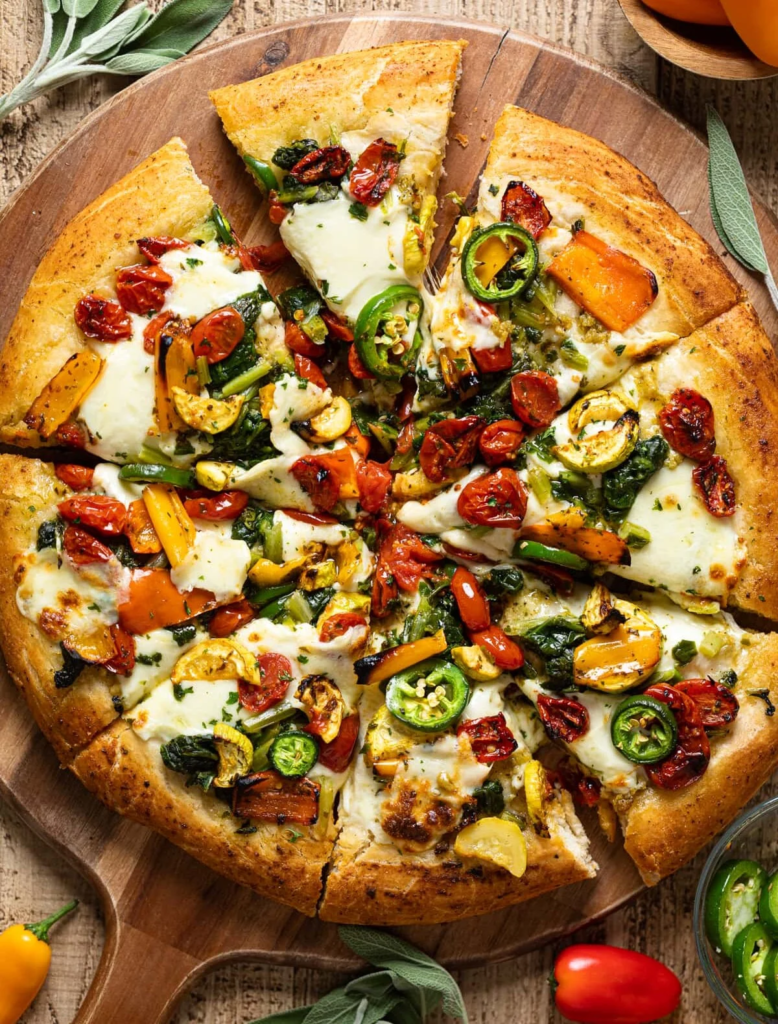
Vegetable toppings continue gaining popularity among health-conscious consumers and adventurous eaters alike. Mushrooms offer earthy richness, onions develop natural sweetness while roasting, green peppers contribute freshness, olives add briny notes, and tomatoes provide juicy acidity. Spinach, roasted garlic, jalapeños, artichokes, zucchini, and roasted red peppers have also become common choices that appeal to both vegetarians and meat lovers looking for balanced flavor combinations.
Fresh herbs complete many pizzas by adding aroma and brightness after baking. Basil is perhaps the most recognizable herb used on pizza, particularly alongside tomatoes and fresh mozzarella. Oregano, parsley, rosemary, and thyme each contribute distinctive aromas that elevate otherwise simple pizzas into restaurant-quality creations. Even a light sprinkle of herbs can dramatically enhance the final presentation and flavor.
Understanding Flavor Profiles for Better Pizza Topping Combinations
Creating exceptional pizza is not simply about selecting favorite ingredients. Instead, it involves understanding how different flavors work together to create balance. Every topping falls into one or more flavor categories, including salty, sweet, spicy, savory, creamy, acidic, smoky, and fresh. Combining these categories thoughtfully allows every ingredient to complement the others instead of competing for attention.
Salty ingredients such as pepperoni, bacon, olives, parmesan, and anchovies often pair exceptionally well with naturally sweet toppings like caramelized onions, roasted peppers, pineapple, or honey drizzle. This contrast creates an enjoyable balance that keeps every bite interesting. Likewise, spicy toppings such as jalapeños or hot Italian sausage benefit from creamy cheeses that soften their heat while maintaining their bold flavors.
Texture is another factor that significantly influences pizza enjoyment. Soft cheeses combine beautifully with crisp vegetables, crunchy bacon, or toasted nuts. Mushrooms provide a tender bite that contrasts nicely with crispy crust, while fresh arugula added after baking contributes refreshing crispness. Professional pizza makers carefully consider both flavor and texture to ensure every slice offers variety from the first bite to the last.
The cooking process itself also changes topping characteristics. Vegetables lose moisture and become sweeter as they roast, meats release flavorful juices that blend with cheese and sauce, and herbs develop stronger aromas when exposed to heat. Understanding these transformations helps home cooks avoid common mistakes like overcrowding pizzas with watery vegetables or combining ingredients that cook at different rates. A balanced pizza allows every topping enough space to caramelize properly while maintaining the ideal crust texture.
Classic Pizza Topping Combinations That Never Go Out of Style
Certain pizza topping combinations have remained popular for generations because they consistently deliver familiar flavors and satisfying balance. The traditional pepperoni pizza remains America’s favorite for good reason. Crispy pepperoni, melted mozzarella, tomato sauce, and a perfectly baked crust create a timeless meal that appeals to children and adults alike. Its simplicity allows each ingredient to shine without unnecessary complexity.
Another enduring favorite combines Italian sausage, green peppers, and onions. This trio balances savory meat with sweet roasted vegetables, creating a pizza that feels hearty without becoming overwhelming. Mushroom lovers frequently add mushrooms to this combination for additional earthy richness, making it one of the most ordered pizzas in neighborhood pizzerias throughout the country.
The classic Margherita pizza demonstrates how a small number of premium ingredients can produce exceptional results. Fresh mozzarella, ripe tomatoes, basil leaves, olive oil, and a thin crust showcase ingredient quality rather than quantity. This minimalist approach remains a favorite among pizza enthusiasts who appreciate clean, authentic flavors and elegant simplicity.
Meat lovers pizzas continue attracting customers seeking bold, protein-packed meals. Pepperoni, sausage, bacon, ham, and beef combine to create a rich, savory experience with layers of smoky flavor. Although these pizzas are indulgent, careful balance prevents any single meat from dominating the others. A generous layer of mozzarella helps unify the flavors while adding creamy richness that complements the assortment of meats.
Vegetarian combinations have become equally beloved classics. Mushrooms, spinach, tomatoes, olives, onions, and bell peppers create colorful pizzas bursting with freshness and natural sweetness. Adding feta or goat cheese introduces tangy notes that enhance the vegetables without overpowering them. These combinations demonstrate that meat is not required to create deeply satisfying pizza packed with flavor and texture.
Gourmet Pizza Toppings That Take Homemade Pizza to the Next Level
As pizza culture has evolved, gourmet pizza toppings have become increasingly popular among food enthusiasts looking for flavors beyond traditional combinations. High-end pizzerias and creative home cooks now use premium ingredients that elevate pizza into a restaurant-quality experience. These toppings are carefully selected not only for their individual taste but also for how they interact with one another, creating balanced and memorable flavor profiles that feel sophisticated without becoming overly complicated.
One of the biggest trends in gourmet pizza is the use of specialty cheeses. Fresh mozzarella continues to be a favorite, but burrata, smoked mozzarella, fontina, Gruyère, ricotta, goat cheese, blue cheese, and aged provolone each contribute unique characteristics. Burrata creates a luxurious creamy finish when added after baking, while goat cheese introduces a pleasant tang that pairs beautifully with roasted vegetables and herbs. Blending several cheeses often produces greater depth than relying on a single variety, giving every bite multiple layers of flavor.
Premium cured meats also distinguish gourmet pizzas from standard options. Prosciutto delivers a delicate salty richness that works wonderfully with arugula and shaved Parmesan after baking. Soppressata offers a spicier alternative to pepperoni, while spicy capicola adds bold flavor without overwhelming other ingredients. Thinly sliced salami, smoked ham, and premium Italian sausage each contribute distinctive textures that enhance artisan pizzas designed around high-quality ingredients.
Fresh herbs and finishing ingredients are equally important in gourmet pizza preparation. Instead of baking every topping together, many chefs finish pizzas with basil leaves, fresh oregano, microgreens, lemon zest, cracked black pepper, extra virgin olive oil, or balsamic glaze after the pizza leaves the oven. These finishing touches preserve delicate flavors while adding freshness that balances the richness of melted cheese and roasted meats.
Unique vegetable toppings also define gourmet pizzas. Roasted garlic becomes sweet and buttery during cooking, caramelized onions develop incredible depth, roasted eggplant adds creaminess, and grilled zucchini contributes mild sweetness. Sun-dried tomatoes offer concentrated tomato flavor, while roasted artichokes introduce subtle nuttiness. Together, these vegetables create elegant pizzas that appeal to adventurous eaters looking for something different from classic delivery options.
Best Meat Pizza Toppings for Rich, Savory Flavor
For many pizza lovers, meat toppings remain the highlight of every slice. Different meats contribute distinct textures, levels of seasoning, and cooking characteristics, allowing countless combinations that satisfy hearty appetites. Understanding the strengths of each meat topping helps create pizzas that remain flavorful without becoming greasy or overly heavy.
Pepperoni continues to lead pizza topping preferences because of its balance of spice, smokiness, and crisp texture. As it cooks, its edges curl slightly while releasing flavorful oils that blend with the cheese and tomato sauce. This characteristic creates the familiar pepperoni flavor that has remained America’s favorite for generations. Thin slices crisp more easily, while thicker cuts provide a meatier bite.
Italian sausage delivers a completely different experience. Made with herbs, garlic, fennel, and spices, sausage contributes juicy texture and complex seasoning. Mild sausage works beautifully with mushrooms and onions, while spicy varieties pair perfectly with roasted peppers, jalapeños, and mozzarella. Properly cooked sausage adds richness without overwhelming lighter toppings when distributed evenly across the pizza.
Bacon has become increasingly popular because of its smoky aroma and crispy texture. It complements barbecue chicken pizzas, ranch-inspired recipes, and even traditional tomato-based pizzas. Canadian bacon provides a leaner option with a subtle sweetness that pairs especially well with pineapple, creating one of the most debated yet beloved pizza combinations in America.
Grilled chicken has earned its place among the best pizza toppings thanks to its versatility. It absorbs marinades and sauces exceptionally well, making it ideal for barbecue, buffalo, garlic parmesan, pesto, and Alfredo pizzas. Unlike heavily seasoned cured meats, chicken provides a mild foundation that allows herbs, vegetables, and specialty cheeses to stand out while still adding satisfying protein.
Beef, meatballs, shredded brisket, pulled pork, and even smoked turkey are becoming increasingly common on specialty pizzas. Regional barbecue influences have encouraged pizzerias to experiment with smoked meats paired with cheddar, red onions, and barbecue sauce. These combinations showcase how pizza continues evolving to reflect broader American food trends while remaining true to its customizable nature.
Fresh Vegetable Pizza Toppings That Add Color and Nutrition
Vegetable pizza toppings have experienced tremendous growth as more people seek nutritious, colorful, and flavorful meal options. Fresh vegetables contribute vitamins, minerals, fiber, and natural sweetness while balancing richer ingredients like cheese and cured meats. Whether creating vegetarian pizzas or complementing meat toppings, vegetables bring freshness that enhances every bite.
Bell peppers remain among the most recognizable vegetable toppings. Green peppers provide slight bitterness and crispness, while red, yellow, and orange peppers become sweeter as they roast in the oven. Their vibrant colors improve visual appeal while adding subtle sweetness that pairs beautifully with sausage, onions, mushrooms, and mozzarella.
Mushrooms are another staple ingredient because of their savory, earthy flavor. Cremini, button, shiitake, oyster, and portobello mushrooms each offer different textures and levels of richness. Properly cooked mushrooms develop concentrated flavor while releasing moisture gradually, making them one of the most versatile pizza toppings available for both vegetarian and meat-based recipes.
Onions contribute remarkable versatility depending on preparation. Raw onions become tender and slightly sweet during baking, while caramelized onions develop deep, rich flavors that complement goat cheese, bacon, and roasted garlic. Red onions provide mild sharpness, white onions offer balanced sweetness, and sweet onions become exceptionally flavorful when roasted slowly.
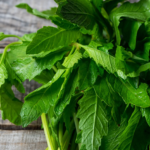
Leafy greens have also become popular pizza toppings. Fresh spinach wilts gently during baking, adding nutrition without overpowering other ingredients. Arugula, typically added after baking, introduces peppery freshness that contrasts beautifully with creamy cheeses and salty cured meats. Kale, although less common, becomes pleasantly crisp when lightly roasted, providing another nutritious alternative.
Tomatoes, zucchini, roasted broccoli, asparagus, corn, olives, jalapeños, roasted Brussels sprouts, and even thinly sliced sweet potatoes have found their place on modern pizzas. These vegetables demonstrate how pizza can be both indulgent and nutrient-rich when prepared thoughtfully. Their natural colors also create visually stunning pizzas that look as good as they taste.
The Best Cheese Choices Beyond Mozzarella
Mozzarella has long been considered the gold standard for pizza because of its exceptional melting qualities, mild flavor, and stretchy texture. However, today’s pizza enthusiasts increasingly experiment with other cheeses to create unique flavor combinations. Mixing cheeses has become one of the simplest ways to elevate homemade pizza without significantly increasing preparation time.
Provolone is often blended with mozzarella because it melts smoothly while contributing a sharper, slightly tangy flavor. This combination creates a richer cheese layer that enhances both traditional and gourmet pizzas. Parmesan, typically grated over the finished pizza, introduces salty umami notes that intensify the overall flavor without requiring large quantities.
Cheddar cheese adds boldness and color, making it especially popular on barbecue chicken pizzas, bacon pizzas, and cheeseburger-inspired creations. Sharp cheddar delivers more pronounced flavor than mild varieties, allowing it to stand up to smoked meats and robust sauces. Because cheddar releases more oil than mozzarella, many pizza makers blend the two for better texture.
Ricotta creates creamy pockets of richness rather than a uniform cheese layer. Dollops of ricotta pair beautifully with spinach, roasted garlic, mushrooms, basil, and lemon zest, creating elegant white pizzas that rely less on tomato sauce. Burrata offers an even creamier experience when placed on the pizza immediately after baking, allowing its soft center to spread naturally across warm slices.
Goat cheese remains one of the most distinctive gourmet options. Its tangy flavor complements roasted beets, caramelized onions, spinach, figs, pears, walnuts, and honey drizzle. Blue cheese adds bold intensity to buffalo chicken pizzas, steak pizzas, and combinations featuring bacon or caramelized onions. Although stronger cheeses should be used sparingly, they create memorable flavor profiles that appeal to adventurous pizza lovers.
Blending cheeses strategically often produces the best results. Combining mozzarella for meltability, provolone for smoothness, Parmesan for depth, and a specialty cheese for character creates complex pizzas that rival those served in artisan restaurants. This layered approach demonstrates how cheese selection is just as important as choosing the right meats or vegetables.
Trending Pizza Toppings Americans Are Loving Right Now
Pizza trends continue evolving as chefs and home cooks embrace international flavors, healthier ingredients, and creative culinary techniques. Today’s most talked-about pizza toppings reflect broader food movements emphasizing freshness, customization, and premium quality. Rather than replacing classic favorites, these newer ingredients expand the possibilities for pizza lovers seeking exciting flavor combinations.
Hot honey has quickly become one of the fastest-growing pizza trends across the United States. Drizzled over pepperoni, sausage, or prosciutto pizzas immediately after baking, hot honey delivers an irresistible balance of sweetness and gentle heat. The contrast between spicy cured meats, creamy cheese, and sweet honey creates a flavor experience that has gained widespread popularity in artisan pizzerias.
Another rising trend is the increased use of burrata as a finishing topping. Instead of baking it with the pizza, chefs place fresh burrata on the hot pizza after it comes out of the oven. The creamy interior slowly melts across the surface, creating a luxurious texture that pairs especially well with fresh basil, heirloom tomatoes, and high-quality olive oil.
Plant-based proteins have also become mainstream pizza toppings rather than niche alternatives. Modern meat substitutes made from pea protein, mushrooms, soy, or other plant ingredients now offer realistic texture and satisfying flavor. Combined with roasted vegetables and dairy-free cheeses, these toppings allow vegetarians and vegans to enjoy pizzas that closely resemble traditional meat-based versions.
Global influences continue introducing exciting topping ideas from different cuisines. Mediterranean-inspired pizzas feature feta cheese, olives, spinach, and roasted peppers. Mexican-inspired pizzas incorporate seasoned beef, corn, jalapeños, avocado, and cilantro. Korean-inspired pizzas may include bulgogi-style beef, sesame seeds, and green onions, while Mediterranean herbs and Middle Eastern spices continue inspiring innovative pizza recipes that reflect America’s diverse culinary landscape.
Home pizza enthusiasts are also embracing seasonal ingredients more than ever before. Spring asparagus, summer tomatoes, autumn squash, winter mushrooms, and locally grown herbs provide fresh flavors throughout the year. Seasonal cooking encourages creativity while ensuring toppings remain at peak freshness, producing pizzas that taste vibrant and reflect the best ingredients available during each season.
Regional American Pizza Styles and Their Signature Toppings
The United States has transformed pizza into a collection of regional specialties, each with its own loyal following and unique topping traditions. While the basic concept remains the same—a crust topped with sauce, cheese, and flavorful ingredients—different cities have developed distinct styles that showcase local tastes and culinary influences. Exploring these regional favorites is an excellent way to discover new pizza toppings and combinations that you may not have considered before.
New York-style pizza is famous for its large, foldable slices and relatively simple topping combinations. Many pizza lovers stick with classics such as pepperoni, mushrooms, sausage, onions, and extra mozzarella because the thin crust and balanced tomato sauce allow these ingredients to shine. The emphasis is on quality rather than quantity, ensuring every bite remains crisp, flavorful, and easy to enjoy while walking through the city.
Chicago’s deep-dish pizza offers an entirely different experience. Because of its thick crust and generous layers of cheese and sauce, it can support heavier toppings such as Italian sausage, spinach, mushrooms, peppers, onions, and thick slices of pepperoni. The longer baking time allows these ingredients to blend together, creating a rich, hearty meal that feels more like a casserole than a traditional pizza.
Detroit-style pizza has gained nationwide popularity thanks to its crispy cheese edges and airy rectangular crust. Common toppings include pepperoni placed beneath the cheese, sausage, bacon, roasted vegetables, and generous tomato sauce added after baking. This unique preparation creates contrasting textures that make Detroit-style pizza stand out from other American varieties.
California-style pizza embraces creativity and seasonal ingredients more than almost any other regional style. Fresh arugula, goat cheese, grilled chicken, smoked salmon, avocado, figs, pears, walnuts, roasted garlic, and artisan cheeses frequently appear on these pizzas. Rather than relying solely on tradition, California-style pizza celebrates innovation while emphasizing fresh, locally sourced ingredients that reflect the state’s diverse agricultural landscape.
Expert Tips for Choosing the Perfect Pizza Toppings
Selecting the best pizza toppings involves more than simply choosing favorite ingredients. Professional pizza makers understand that balance, proportion, and cooking techniques determine whether a pizza becomes unforgettable or disappointing. Applying a few expert principles can dramatically improve homemade pizzas while helping every ingredient contribute to the final flavor.
One of the most important rules is avoiding excessive toppings. While it may seem tempting to add every favorite ingredient, overcrowding prevents the crust from baking properly and often results in a soggy center. Too many toppings also compete for attention, making individual flavors less noticeable. Limiting the pizza to three to five complementary toppings usually creates a much better balance than piling on everything available.
Preparing ingredients correctly before baking also improves results. Vegetables with high water content, such as mushrooms, tomatoes, zucchini, and spinach, should be lightly cooked or drained to reduce excess moisture. Roasting vegetables beforehand concentrates their natural sweetness while preventing them from releasing too much liquid during baking. This simple step helps maintain a crisp crust and richer overall flavor.
Distributing toppings evenly ensures consistent flavor across every slice. Large piles of ingredients in one area leave other portions lacking flavor while creating uneven cooking. Thin, even layers allow cheese to melt properly and help every topping caramelize instead of steaming. Professional-looking pizzas often owe their appearance to careful ingredient placement rather than expensive equipment.
Considering cooking temperatures is equally important. Thin-crust pizzas generally benefit from extremely hot ovens that crisp the crust before delicate toppings overcook. Thick-crust pizzas require slightly longer baking times, allowing denser ingredients such as sausage or roasted vegetables to cook completely. Understanding how different toppings react to heat helps create pizzas with ideal texture and flavor every time.
Common Pizza Topping Mistakes to Avoid
Even experienced home cooks occasionally make mistakes that prevent pizzas from reaching their full potential. Fortunately, most of these issues are easy to correct once you understand the reasons behind them. Avoiding common topping mistakes allows every pizza to taste fresher, cook more evenly, and deliver restaurant-quality results.
One of the biggest mistakes is using too much cheese. While cheese is one of pizza’s defining ingredients, excessive amounts can overwhelm delicate toppings and release extra oil during baking. Instead of creating a creamier pizza, too much cheese often masks the flavors of vegetables, herbs, and premium meats. Using high-quality cheese in moderate amounts usually produces a much more satisfying result.
Another common error involves combining ingredients with dramatically different cooking times. Delicate herbs, seafood, and certain cheeses cook much faster than raw sausage or dense vegetables. Adding everything at the same moment may cause some ingredients to burn while others remain undercooked. Knowing which toppings should be added before baking and which should be added afterward makes a noticeable difference.
Ignoring flavor balance also limits the quality of homemade pizzas. Combining several salty meats without fresh vegetables or herbs often produces a pizza that feels heavy and one-dimensional. Likewise, using only vegetables without considering texture or seasoning can leave the pizza tasting bland. Balancing salty, sweet, spicy, creamy, and fresh elements creates a more enjoyable eating experience.
Many people also underestimate the importance of fresh herbs and finishing ingredients. A drizzle of extra virgin olive oil, fresh basil, cracked black pepper, grated Parmesan, or a touch of hot honey applied after baking can transform an ordinary pizza into something memorable. These finishing touches require minimal effort but contribute significant aroma, freshness, and visual appeal.
How to Build Your Own Perfect Pizza Topping Combination
Creating your own signature pizza begins with understanding how different ingredients complement one another. Rather than following recipes exactly, think of pizza as an opportunity to personalize flavors based on your preferences while maintaining overall balance. Whether you enjoy classic comfort food or adventurous gourmet combinations, a thoughtful approach leads to consistently delicious results.
Start by selecting a foundation that includes your preferred crust, sauce, and primary cheese. Traditional tomato sauce works well with most toppings, while pesto, Alfredo, garlic olive oil, or barbecue sauce each create entirely different flavor profiles. Mozzarella remains the most versatile cheese, but blending it with provolone, Parmesan, or goat cheese adds complexity without making the pizza overly complicated.
Next, choose one primary protein or centerpiece ingredient. Pepperoni, Italian sausage, grilled chicken, mushrooms, or roasted vegetables each establish the pizza’s dominant flavor. Limiting yourself to one or two major ingredients helps prevent overcrowding while allowing supporting toppings to enhance rather than compete with the main attraction.
Finally, finish with complementary vegetables, herbs, and optional finishing touches. Pair spicy meats with sweet peppers or caramelized onions, combine earthy mushrooms with fresh thyme, or balance salty prosciutto with peppery arugula. Small additions such as chili flakes, basil, balsamic glaze, lemon zest, or hot honey provide contrast that makes every slice more memorable. Over time, experimenting with different combinations helps you discover personalized recipes that perfectly match your taste.
Conclusion
Pizza toppings are what transform a simple crust into one of the world’s most versatile and satisfying meals. From timeless classics like pepperoni and mozzarella to gourmet ingredients such as burrata, prosciutto, roasted garlic, and hot honey, the possibilities are virtually endless. Every topping contributes unique flavors, textures, and aromas that allow each pizza to reflect personal preferences and culinary creativity.
The best pizzas are rarely the ones with the greatest number of ingredients. Instead, they rely on thoughtful combinations, fresh produce, quality cheeses, well-seasoned meats, and balanced flavors that work together harmoniously. Understanding how ingredients interact allows home cooks and pizza enthusiasts to create meals that rival those served in professional pizzerias.
Whether you’re preparing a traditional family favorite, experimenting with healthier vegetable combinations, or exploring the latest gourmet trends, selecting the right pizza toppings can elevate every pizza night. By focusing on quality ingredients, proper preparation, and balanced flavor combinations, you’ll enjoy delicious homemade pizzas that keep family and friends coming back for another slice.
Frequently Asked Questions About Pizza Toppings
What are the most popular pizza toppings in the United States?
Pepperoni remains the most popular pizza topping in America, followed by sausage, mushrooms, onions, bacon, extra cheese, black olives, green peppers, chicken, and tomatoes. These classic ingredients continue to dominate restaurant menus because they offer familiar flavors that appeal to a wide range of pizza lovers.
What toppings go well together on a pizza?
Some of the best combinations include pepperoni with mushrooms, sausage with onions and bell peppers, barbecue chicken with red onions, spinach with ricotta, goat cheese with caramelized onions, bacon with chicken, and mushrooms with roasted garlic. Balancing salty, sweet, spicy, and fresh ingredients creates the most satisfying flavor profiles.
What are healthy pizza topping options?
Healthy pizza toppings include spinach, mushrooms, tomatoes, onions, broccoli, zucchini, bell peppers, artichokes, grilled chicken, fresh herbs, olives, and reduced-fat cheese. Choosing whole-food ingredients and avoiding excessive processed meats can make pizza a more nutritious meal without sacrificing flavor.
Should vegetables be cooked before putting them on pizza?
Many vegetables benefit from being lightly roasted or sautéed before baking. Mushrooms, spinach, zucchini, and onions release moisture during cooking, so pre-cooking them helps prevent soggy pizza while enhancing their natural sweetness and flavor.
What cheese works best besides mozzarella?
Excellent alternatives include provolone, Parmesan, ricotta, burrata, goat cheese, fontina, cheddar, Gruyère, feta, and blue cheese. Many pizza makers combine several cheeses to create richer flavor and better texture.
Can fruit be used as a pizza topping?
Yes. Pineapple remains the most famous fruit topping, but figs, pears, apples, peaches, and even berries can work well on gourmet pizzas when paired with complementary cheeses, herbs, and cured meats.