
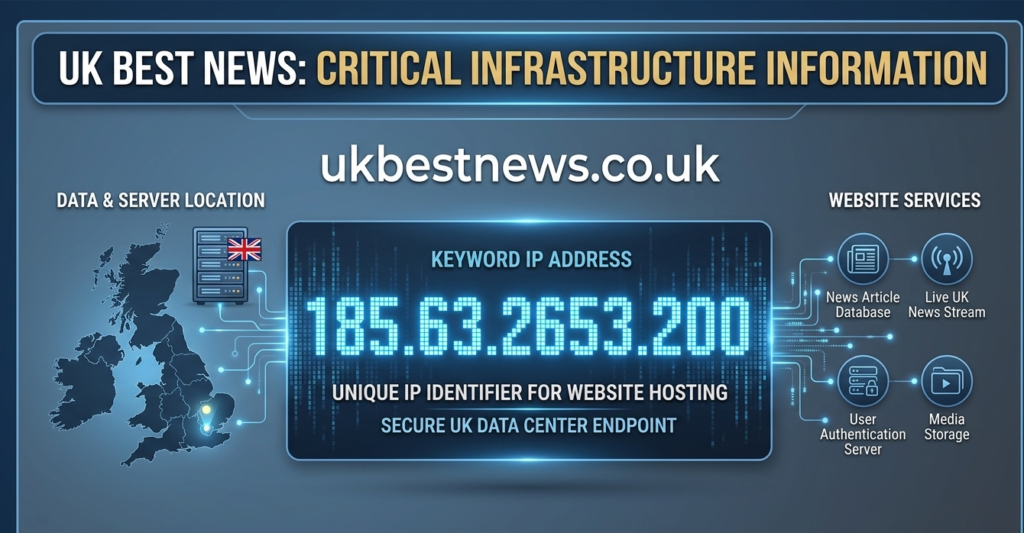

The internet is filled with technical codes, addresses, and terms that can confuse everyday users. One phrase many people now search is 185.63.2653.200. At first glance, it appears to be a normal IP address, but a closer look reveals an important issue. Understanding why this happens can save time, prevent confusion, and improve your technical knowledge.
When users see unfamiliar numbers in browser logs, analytics tools, server reports, or online discussions, they often search them immediately. That curiosity is natural. However, not every number pattern is genuine. In this article, you will learn what 185.63.2653.200 means, why it is invalid, how IP addresses really work, and what actions to take when similar terms appear online.
Understanding What 185.63.2653.200 Looks Like
Many users assume any sequence of numbers separated by dots must be an IP address. That assumption comes from seeing common formats like 192.168.1.1 or 8.8.8.8. Because 185.63.2653.200 follows a similar visual pattern, it can easily be mistaken for a valid internet address by beginners or casual users.
The keyword 185.63.2653.200 has become interesting because it resembles an IPv4 address while containing a structural error. This makes it a strong search topic for people who want answers quickly. Some users find it in copied text, software errors, or suspicious messages and want to know whether it is safe, real, or dangerous.
How Real IPv4 Addresses Work
An IPv4 address is made of four separate numeric sections called octets. Each octet is divided by a dot and must contain a value between 0 and 255. This format allows devices to identify one another on networks and communicate across the internet in an organized way.
Examples of valid IPv4 addresses include 185.63.253.200, 192.168.0.1, and 10.0.0.5. Every section stays within the accepted range. Once any section goes beyond 255, the address breaks the IPv4 rule set. That means software systems, browsers, and networking tools may reject it instantly.
Why 185.63.2653.200 Is Invalid
The reason 185.63.2653.200 is invalid is simple. The third section is 2653, which is far above the maximum allowed value of 255. Since IPv4 addresses cannot contain an octet larger than 255, the format fails validation immediately.
This means 185.63.2653.200 cannot function as a standard IPv4 destination. Browsers, routers, operating systems, and online validators will usually reject it. It may still appear in search results or copied text, but technically it does not work as a real public IPv4 address.
Why People Search 185.63.2653.200 Online
Many searches happen because of typing mistakes. A user may intend to enter 185.63.253.200 but accidentally adds extra digits. Since the difference is small visually, users often do not notice the mistake until something fails to load or connect.
Others search because they discovered the keyword in a suspicious email, fake message, software log, or website comment. When unusual technical terms appear unexpectedly, people naturally investigate them. Search engines become the first place to verify whether something is genuine or misleading.
Could 185.63.2653.200 Be a Typing Error
Yes, a typing mistake is one of the most likely explanations. Fast typing on mobile keyboards or desktop number pads can create extra digits without the user noticing. Replacing 253 with 2653 is a realistic human error, especially during rushed data entry.
In many cases, the intended address could be 185.63.253.200 or another nearby variation. If a system request fails, always compare the digits carefully. One extra number can completely change validity and stop a connection from working as expected.
Can 185.63.2653.200 Harm Your Device
The number itself cannot directly damage your device. It is simply text unless used inside a harmful script, deceptive link, or fraudulent message. An invalid IP address alone does not infect systems, steal files, or install malware.
The risk comes from context. If 185.63.2653.200 appears in phishing emails, scam instructions, fake tech support pages, or manipulated logs, then the surrounding content may be dangerous. Users should focus on where the keyword was found rather than fear the number itself.
Where Invalid IP Addresses Commonly Appear
Invalid addresses often appear in copied notes, user comments, forums, and spreadsheets. When people manually transfer technical data between systems, formatting mistakes are common. Missing dots, added digits, or mixed numbers can create addresses that look real but are unusable.
They may also appear in fake tutorials or scam content designed to seem technical. Attackers sometimes use random numeric strings because many users trust computer-like details automatically. Seeing a dotted number does not guarantee legitimacy or authority.
How to Check Whether an IP Address Is Valid
One of the fastest methods is manual inspection. Count the four sections and confirm each section is between 0 and 255. If any part exceeds that range, contains letters, or has too many segments, the address is invalid.
You can also use trusted IP validation tools online. Many networking websites instantly check format correctness. System administrators often rely on built-in tools, command lines, or firewall panels to test addresses before using them in routing or security settings.
Difference Between Public and Private IP Addresses
Public IP addresses are visible on the wider internet and assigned by service providers or hosting environments. These addresses help websites, servers, and devices communicate globally. They are unique within internet routing systems and follow official allocation standards.
Private IP addresses are used inside local networks such as homes and offices. Common examples include 192.168.x.x and 10.x.x.x ranges. These addresses are not directly reachable from the public internet and are managed internally through routers and local devices.
Why Search Engines Show Results for Invalid Keywords
Search engines respond to user behavior. If enough people search for 185.63.2653.200, pages discussing the topic may rank even though the address is invalid. Search engines index content based on relevance, demand, and usefulness rather than technical truth alone.
That is why educational pages explaining mistakes can perform well. Users need answers for confusing searches, and useful explanations satisfy that need. This creates an opportunity for informative content built around unusual technical keywords and common user mistakes.
How to Fix Errors Related to 185.63.2653.200
Start by checking every digit carefully. Compare the entered value against the original source. Most connection failures caused by strange addresses are solved by correcting one misplaced number or removing an accidental extra digit.
If the source remains unclear, contact the person or company that provided the address. You can also review emails, screenshots, or server logs for the original data. Avoid guessing random replacements unless you understand the intended network destination.
What Businesses and Website Owners Should Know
Website owners often review analytics logs containing strange entries. Sometimes bots, spam scripts, or broken software requests generate malformed addresses. If 185.63.2653.200 appears in logs, it does not automatically indicate a serious attack.
Instead, analyze patterns. Check timestamps, request paths, user agents, and repeated behavior. If unusual requests continue, security tools such as firewalls, rate limits, and bot filters can reduce noise while keeping legitimate traffic unaffected.
Why Accuracy Matters in Networking
Networking systems depend on precision. A single digit mistake can prevent email delivery, block server access, or misconfigure firewall rules. Because computers follow exact instructions, even small errors cause complete failure rather than partial success.
That is why professionals verify addresses carefully before saving settings. Copying trusted values, using validation tools, and double-checking entries reduce mistakes. The case of 185.63.2653.200 is a perfect reminder that details matter online.
How Beginners Can Learn IP Address Basics
Start by understanding that an IP address is like a digital location label. Devices use these labels to send information to the correct destination. Without addresses, internet traffic would have no organized path between computers.
Then learn common formats. Recognize that IPv4 uses four sections with values from 0 to 255. Once you know this rule, identifying mistakes like 185.63.2653.200 becomes quick and easy even without advanced technical knowledge.
Common Misconceptions About IP Addresses
Some people believe every dotted number must belong to a hacker or hidden server. In reality, many dotted numbers are harmless examples, placeholders, or mistakes. Context always matters more than appearance.
Another misconception is that invalid addresses are secret codes. Usually they are simply typing errors, copied text issues, or fictional examples. Most unusual IP searches have ordinary explanations rather than dramatic cyber threats.
How Cybercriminals Use Confusing Technical Terms
Scammers often use technical-looking language to appear credible. Random codes, fake warnings, and suspicious IP references can pressure users into trusting fraudulent instructions. Many victims respond because the information looks advanced or official.
Learning basics helps defeat this tactic. Once users understand real IP formatting, they can quickly question strange examples. Confidence and knowledge reduce the chance of falling for deceptive messages that misuse technical terminology.
Why 185.63.2653.200 Became a Search Topic
Unusual keywords often spread because people copy and share them. A screenshot, article mention, social post, or typo in published content can generate curiosity. Once enough users search, more websites start covering the topic.
The keyword 185.63.2653.200 likely gained attention because it looks believable while being technically wrong. That combination creates curiosity, confusion, and strong click interest among users seeking quick answers.
Best Practices When You See Unknown Addresses
Never panic when seeing an unfamiliar IP-like number. First, inspect the format calmly. Many issues are harmless mistakes rather than threats. A careful review often reveals missing dots, extra digits, or impossible values.
Second, verify the source. If the number came from a trusted provider, ask for confirmation. If it came from spam, suspicious downloads, or unsolicited messages, ignore links and avoid sharing personal information.
Tools That Help Validate Network Data
Many free tools can validate addresses, trace domains, and inspect DNS records. Security professionals also use firewall dashboards and server monitors to review incoming traffic. These tools save time and reduce manual errors.
Even beginners can benefit from simple validators. Paste the suspected address, review the result, and compare it against accepted formatting rules. This process quickly shows why entries like 185.63.2653.200 fail.
Why Content Around Technical Errors Performs Well
Users search problems more than perfection. People rarely search valid addresses they already understand, but they often search errors that block progress. That makes troubleshooting topics valuable in search engines.
Clear content answering confusion can rank strongly, especially when the query is specific. By explaining why 185.63.2653.200 is invalid, publishers meet direct user intent and provide practical value immediately.
Final Thoughts on 185.63.2653.200
The keyword 185.63.2653.200 looks real at first glance, but it is not a valid IPv4 address because one section exceeds the allowed numeric range. Understanding this simple rule removes confusion instantly and helps users avoid wasting time.
Whenever you encounter unfamiliar network terms, focus on verification rather than fear. Most strange entries are mistakes, not threats. Learning the fundamentals of IP structure empowers safer browsing, smarter troubleshooting, and stronger confidence online.
FAQs
Is 185.63.2653.200 a real IP address?
No, it is not a valid IPv4 address. The third section contains 2653, which exceeds the maximum allowed value of 255.
Why do people search 185.63.2653.200?
People often search it after seeing the keyword in logs, messages, copied text, or by making a typing error while entering another address.
Can 185.63.2653.200 hack my device?
No, the number itself cannot hack anything. Risk depends on the website, message, or file where the number appears.
What is the correct IPv4 format?
A correct IPv4 address contains four number sections separated by dots, and each section must be between 0 and 255.
Could 185.63.2653.200 be a typo for another address?
Yes, that is very possible. It may be a mistaken version of a valid address with extra digits added accidentally.
How do I check if an IP address is valid?
Count four sections, inspect each value, and confirm every part stays between 0 and 255. You can also use online IP validators.
Should I worry if I saw this in my logs?
Usually not. Many malformed entries come from bots, copy errors, or harmless bad requests. Review patterns before assuming danger.